
 English
 中文简体
 русский
 Français
 Español
 عربى
 CONTACT US


Carbon Molecular Sieve for High-Performance PSA Nitrogen Generation
2026-10-27
Content
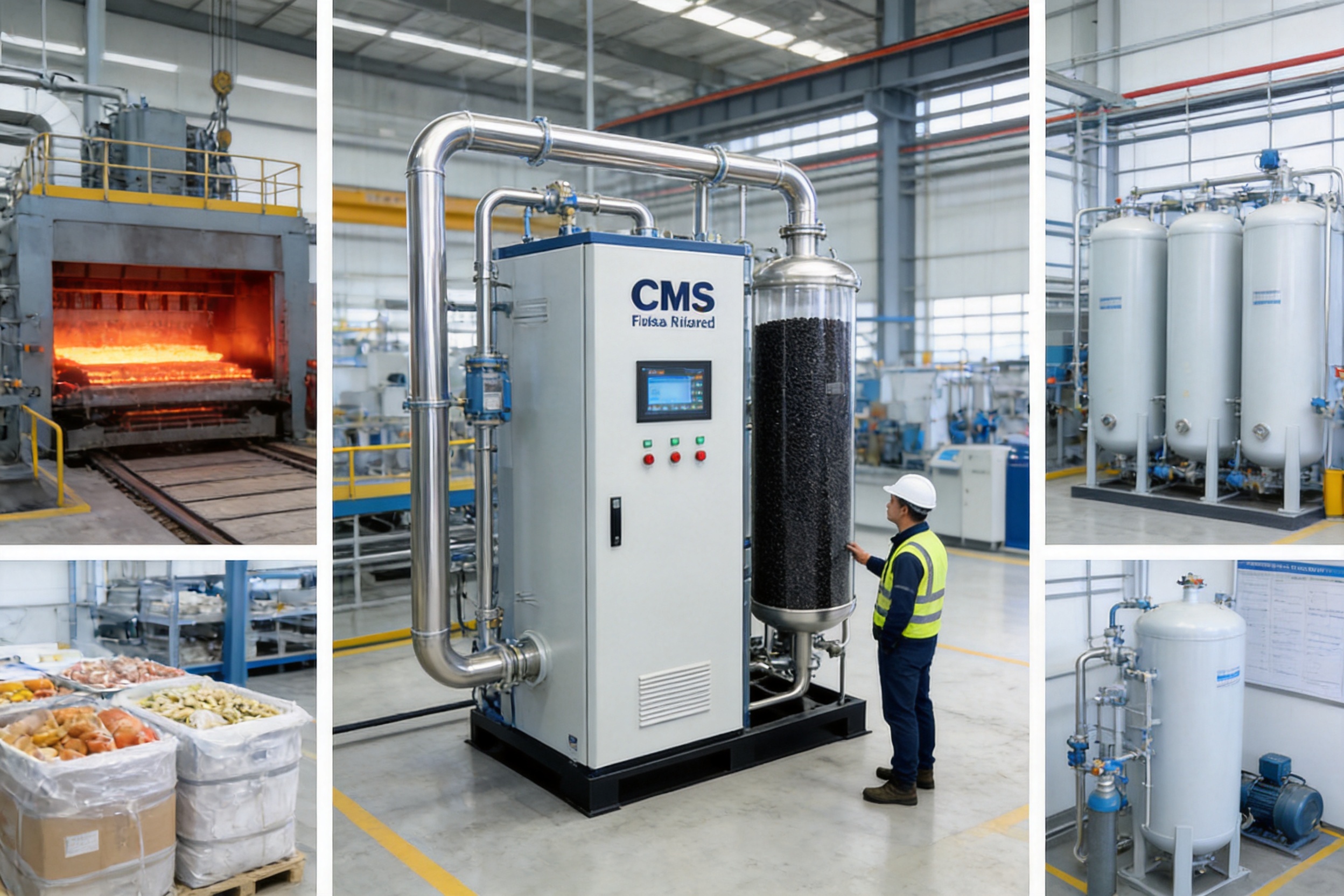
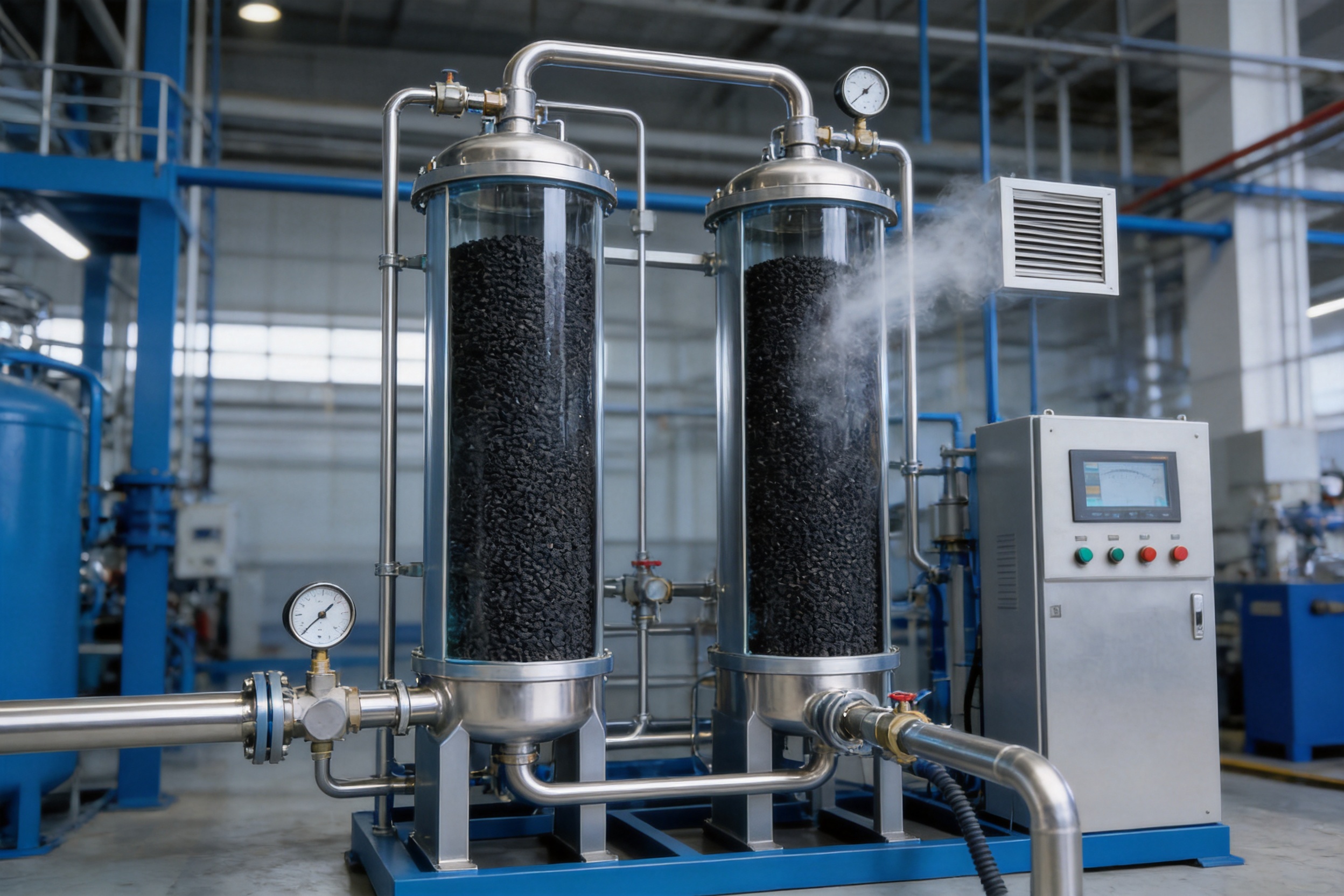
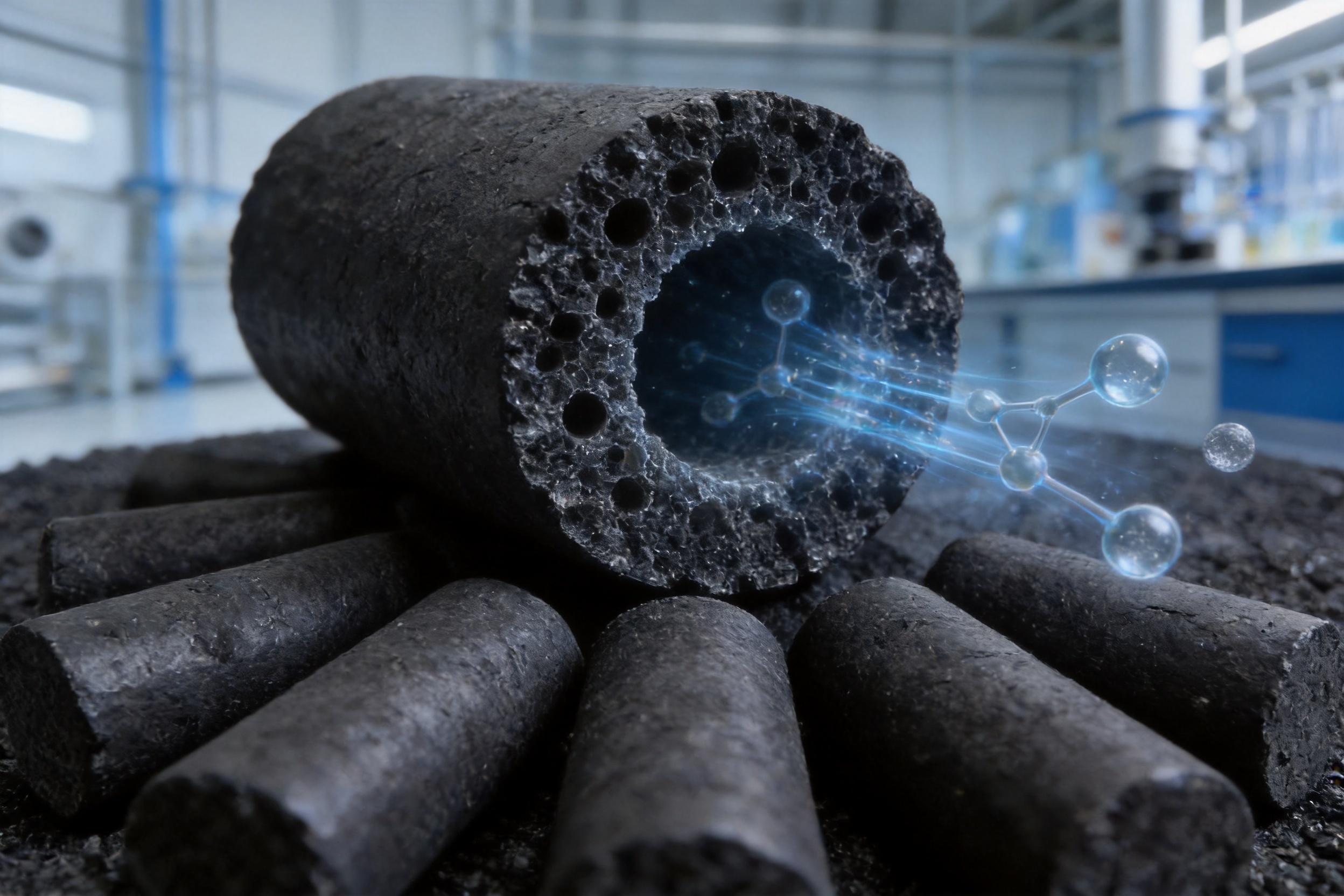
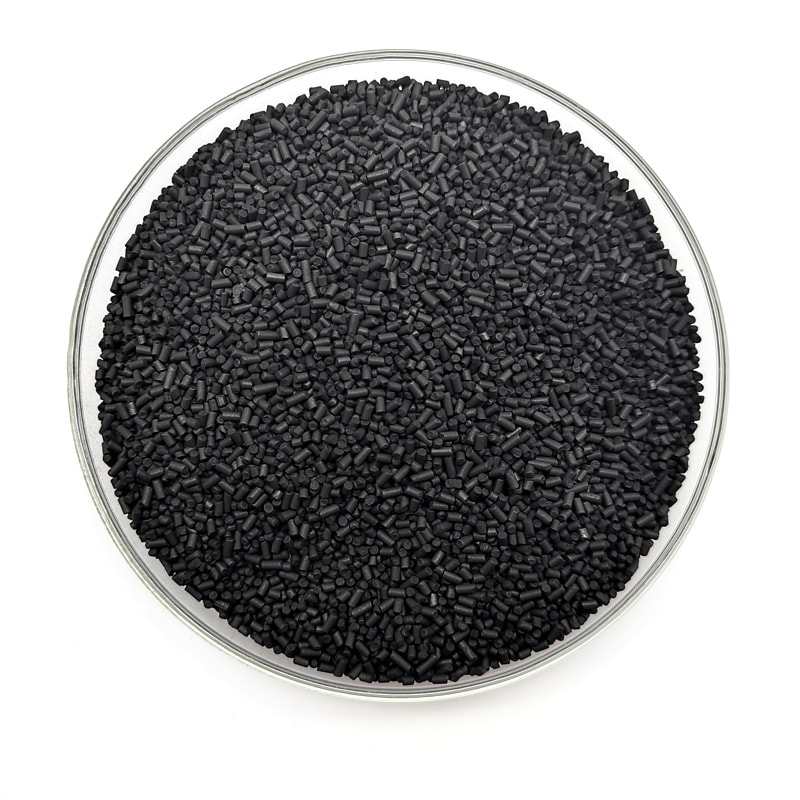
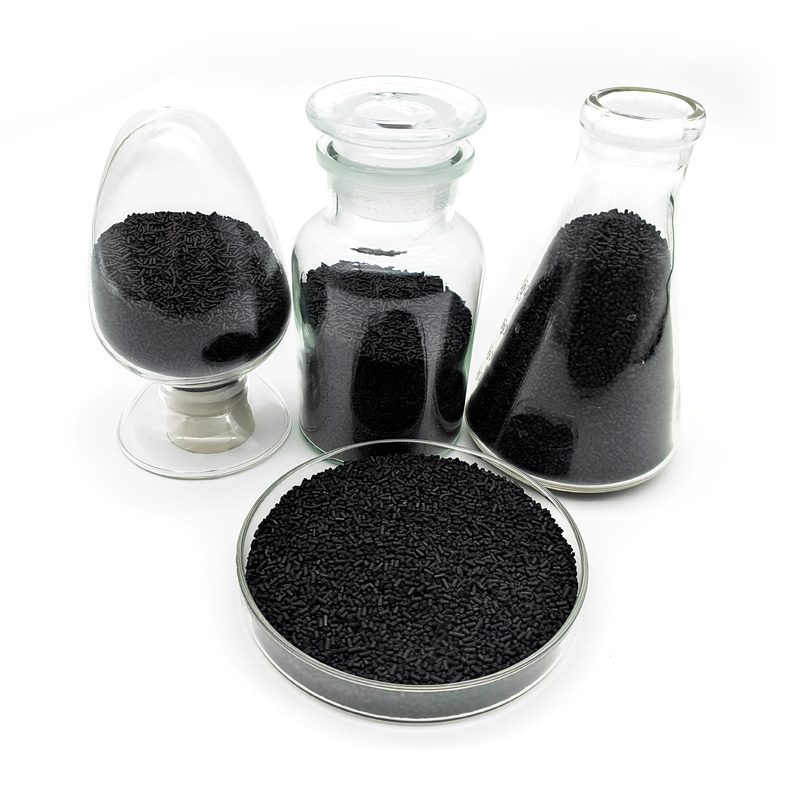
Carbon molecular sieve (CMS) is a specialized porous carbon adsorbent used to separate oxygen and nitrogen from compressed air. It is the core working material in many pressure swing adsorption (PSA) nitrogen generators, where its carefully controlled micropore structure allows oxygen and other faster-diffusing components to be adsorbed more rapidly than nitrogen. The result is a continuous stream of nitrogen with adjustable purity and production capacity.
For industrial users, selecting the right CMS is not simply a matter of choosing the highest nominal grade. Adsorption performance, mechanical strength, pressure resistance, regeneration behavior, production consistency, raw-air pretreatment, and compatibility with the nitrogen generator all influence the final operating cost and service life of the system. A high-quality sieve can help a PSA generator reach its target nitrogen purity with lower air consumption, stable production, and reduced replacement frequency.
Anhui Zhuoxu New Material Technology Co., Ltd. supplies CMS-240, CMS-260, CMS-280, and CMS-330 carbon molecular sieve grades for PSA nitrogen generators. These grades are designed for different combinations of nitrogen purity, output, and air consumption. The company combines porous carbon material production, continuous manufacturing equipment, product testing, research cooperation, and nitrogen-generator verification to provide CMS products for industrial gas separation applications.
What Is Carbon Molecular Sieve?
Carbon molecular sieve is a carbon-based adsorbent with a highly developed microporous structure. During PSA nitrogen generation, compressed air is introduced into an adsorption tower filled with CMS. Oxygen, carbon dioxide, moisture, and other components with faster adsorption or diffusion behavior are preferentially captured by the carbon surface and pore system. Nitrogen passes through the bed at a higher concentration and is collected as product gas.
The separation mechanism depends on the difference in molecular diffusion rates rather than only on the equilibrium adsorption capacity of each gas. The pore openings of a suitable CMS are small and uniform enough to create a significant kinetic difference between oxygen and nitrogen. Oxygen molecules can diffuse into the micropores more rapidly, while nitrogen molecules diffuse more slowly. This difference enables the adsorbent to separate the two gases during the adsorption step.
Carbon molecular sieves used for oxygen-nitrogen separation commonly have effective pore dimensions in the approximate range of 0.28 to 0.38 nanometers. The exact pore distribution, surface chemistry, carbon structure, particle strength, and activation conditions determine the performance of the finished material. Small changes in these characteristics may affect nitrogen purity, nitrogen recovery, air consumption, pressure equalization behavior, and resistance to pulverization.
Unlike some conventional adsorbents, CMS is specifically engineered for rapid cyclic operation. A PSA nitrogen generator repeatedly switches between adsorption, pressure equalization, regeneration, and repressurization. The adsorbent must therefore maintain stable performance over many cycles. Mechanical durability is particularly important because repeated pressure changes, gas flow, vibration, and valve switching can generate dust or break particles if the CMS is insufficiently strong.
How CMS Works in a PSA Nitrogen Generator
Compressed-air adsorption
In the adsorption step, compressed and purified air enters one CMS-filled tower. The tower operates at an elevated pressure, generally within the range of 0.75 to 0.80 MPa for the listed performance data. Oxygen and other rapidly adsorbed components are retained by the sieve, while nitrogen passes through the bed and becomes the product gas.
As the adsorption front moves through the tower, the CMS gradually approaches its working adsorption capacity. When the tower reaches the end of its useful adsorption period, the control system switches the air feed to another tower. The first tower then enters regeneration. Two or more towers are normally used so that adsorption and regeneration can occur continuously.
Regeneration and pressure release
Regeneration is achieved by reducing the pressure in the saturated tower. Under lower pressure, the adsorbed oxygen and other gas components desorb from the CMS pores and are discharged. In atmospheric-pressure regeneration systems, the tower may be released to approximately atmospheric pressure before the next cycle begins.
Efficient regeneration is essential. Incomplete regeneration leaves residual oxygen in the pore system, reducing the adsorption capacity available in the next cycle. Excessively aggressive regeneration or poor flow distribution, however, can increase energy consumption and place unnecessary mechanical stress on the adsorbent. The operating sequence must therefore be matched to the CMS grade, tower design, product requirement, and air pretreatment quality.
Pressure equalization
Pressure equalization transfers gas from a tower completing adsorption to a tower that has completed regeneration. This step reduces the pressure difference between the two towers and recovers part of the gas energy that would otherwise be lost during depressurization. It can also improve nitrogen recovery and reduce the stress associated with abrupt pressure changes.
The supplied operating guidance indicates that a pressure-equalization time of approximately one to three seconds is generally selected, although the final setting depends on the equipment design. A correctly adjusted equalization step can improve overall efficiency and help prevent CMS pulverization. The optimum timing should be established through generator commissioning and monitored during operation.
Continuous nitrogen production
When the towers alternate correctly, the PSA system provides a continuous nitrogen stream even though each individual tower operates cyclically. Nitrogen purity and flow can be adjusted according to the application. In general, increasing nitrogen purity reduces the available production rate and increases the air requirement. Lower-purity nitrogen can be generated at a higher flow rate and lower operating cost.
This adjustable relationship allows the same CMS-filled system to serve different applications. For example, a user may require very high-purity nitrogen for sensitive electronics or laboratory processes, while another user may need a larger volume of moderately pure nitrogen for metal protection, food packaging, or general inerting.
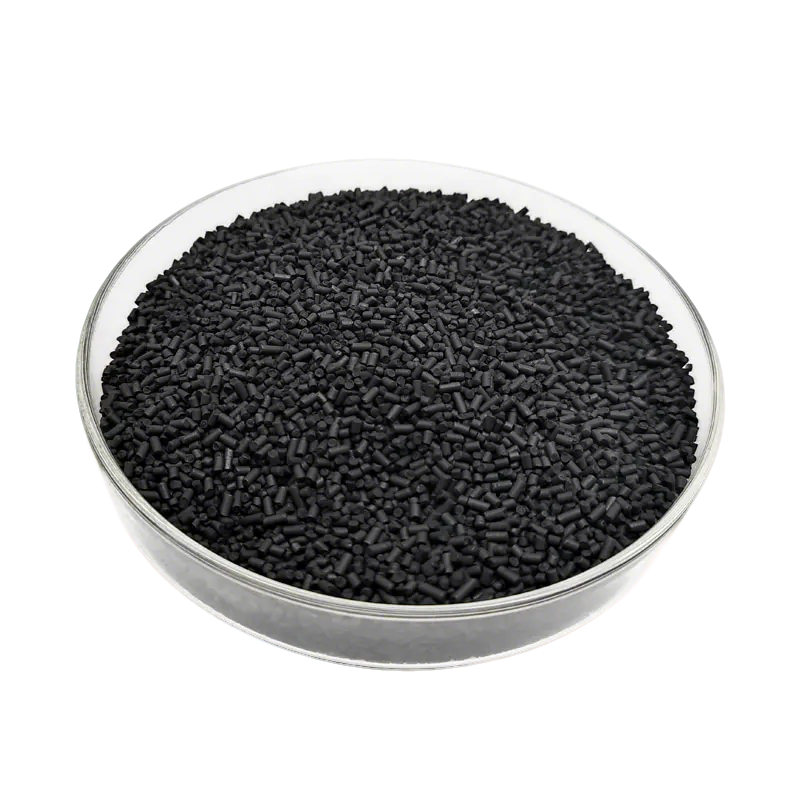
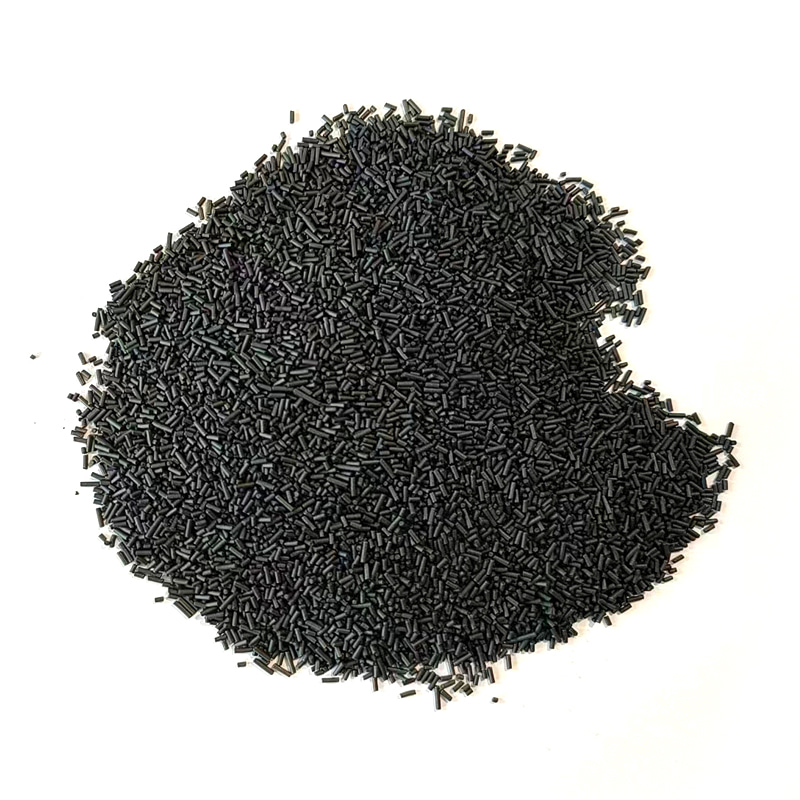
Carbon Molecular Sieve (CMS)
Main Advantages of Carbon Molecular Sieve
Efficient oxygen-nitrogen separation
The primary advantage of CMS is its selective kinetic separation of oxygen and nitrogen. A well-manufactured molecular sieve has a controlled micropore structure that enables rapid oxygen adsorption while limiting the diffusion of nitrogen. This selectivity allows PSA equipment to produce nitrogen without cryogenic air separation or membrane modules.
The uniformity of the pore structure is especially important. If the pores are too large, nitrogen may enter the pore system too readily and product recovery can decline. If the pores are too small or poorly connected, oxygen diffusion may be restricted and the working capacity may be insufficient. A balanced pore structure supports the rapid mass transfer required for short PSA cycles.
Strong adsorption capacity
Carbon molecular sieve can retain useful adsorption capacity even when the concentration of a gas component is low. This characteristic is valuable during cyclic PSA operation because the adsorbent must repeatedly capture oxygen from air under changing pressure conditions. The material also maintains meaningful adsorption performance over a range of temperatures, provided the generator is operated within its design limits.
Strong adsorption capacity does not mean that pretreatment can be neglected. Oil vapor, liquid water, excessive humidity, and organic contaminants can block or contaminate micropores. Once the active pore volume is reduced, the CMS may show lower nitrogen purity, higher air consumption, and reduced productivity. Protect
Product: Carbon Molecular Sieve (CMS)



 E-mail
anhuilisa@126.com
 Phone
+86 18603224420
 Address
No. 26 Kunshan Road, Xuanzhou Economic Development Zone, Liqiao Town, Xuanzhou District, Xuancheng City, Anhui Province, P.R.China
Copyright Anhui Zhuoxu New Material Technology Co., Ltd. All rights reserved.
 Carbon Molecular Sieve Manufacturer Carbon Molecular Sieve Supplier