
 English
 中文简体
 русский
 Français
 Español
 عربى
 CONTACT US


Carbon Molecular Sieve for High-Efficiency PSA Nitrogen Generation
2026-11-10
Content
- 1 What Is Carbon Molecular Sieve?
- 2 How CMS Works in a PSA Nitrogen Generator
- 3 Main Advantages of Carbon Molecular Sieve
- 4 Product Grades and Performance Range
- 5 Advanced Manufacturing and Material Control
- 6 Quality and Manufacturing Strengths
- 7 Feed-Air Pretreatment Requirements
- 8 Operating Conditions for Reliable Performance
- 9 Applications of CMS Nitrogen Generation
- 10 How CMS Compares with Other Nitrogen-Supply Options
- 11 Installation, Storage, and Maintenance Guidance
- 12 Technical and Commercial Benefits for Equipment Manufacturers
- 13 Frequently Asked Questions
- 13.1 What is the primary function of CMS in a nitrogen generator?
- 13.2 What purity levels can these CMS products support?
- 13.3 Which CMS grade should a customer choose?
- 13.4 Why is dry compressed air important?
- 13.5 Can CMS produce nitrogen continuously?
- 13.6 Does higher nitrogen purity always mean better performance?
- 13.7 What is pressure equalization used for?
- 13.8 How does temperature affect CMS performance?
- 13.9 How is product quality verified before shipment?
- 13.10 What certifications and technical resources does the supplier have?
- 13.11 How should CMS be stored?
- 13.12 Is CMS suitable for every nitrogen application?
- 14 Conclusion
- 15 References
- 16 Product: Carbon Molecular Sieve (CMS)
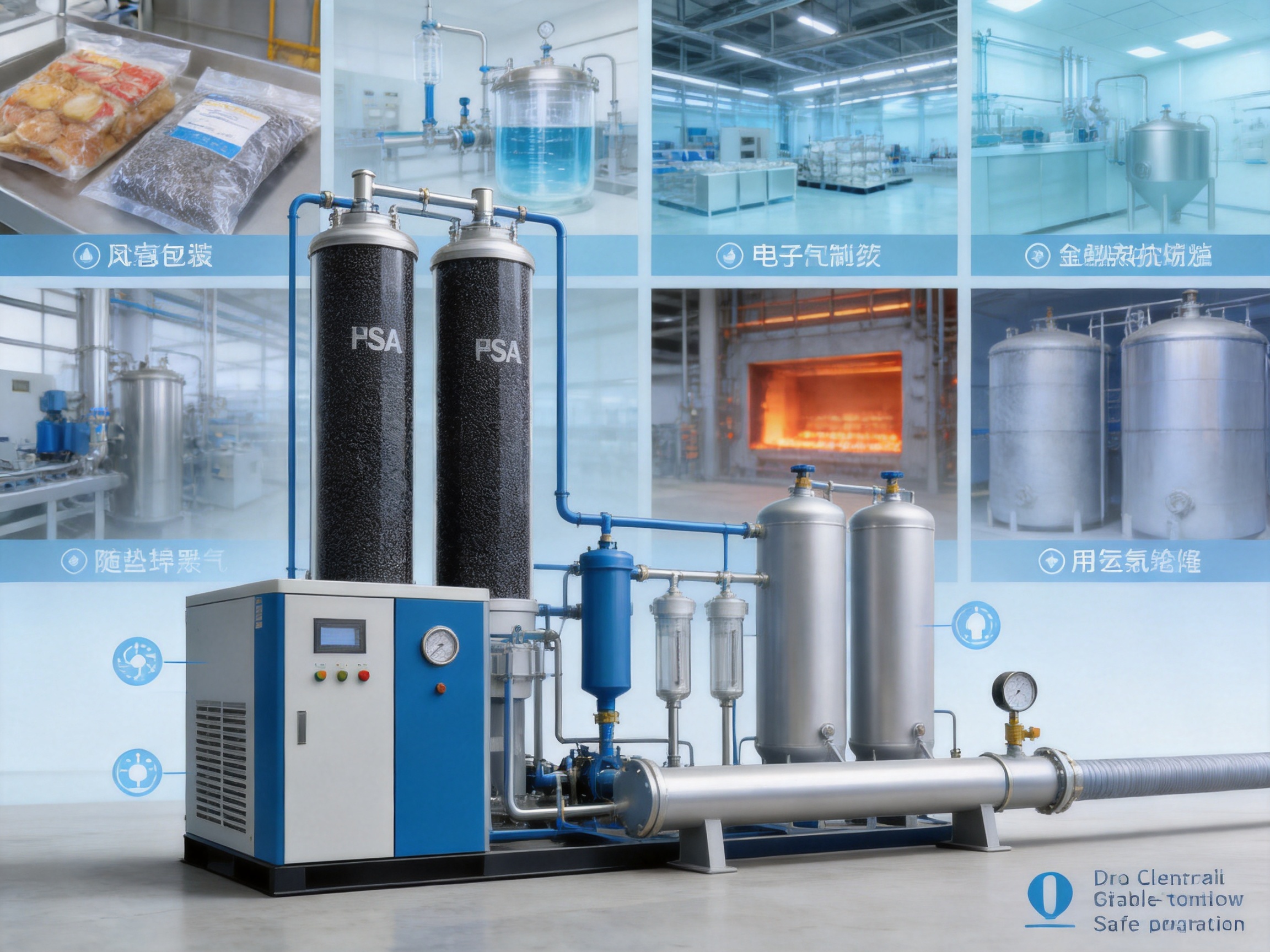
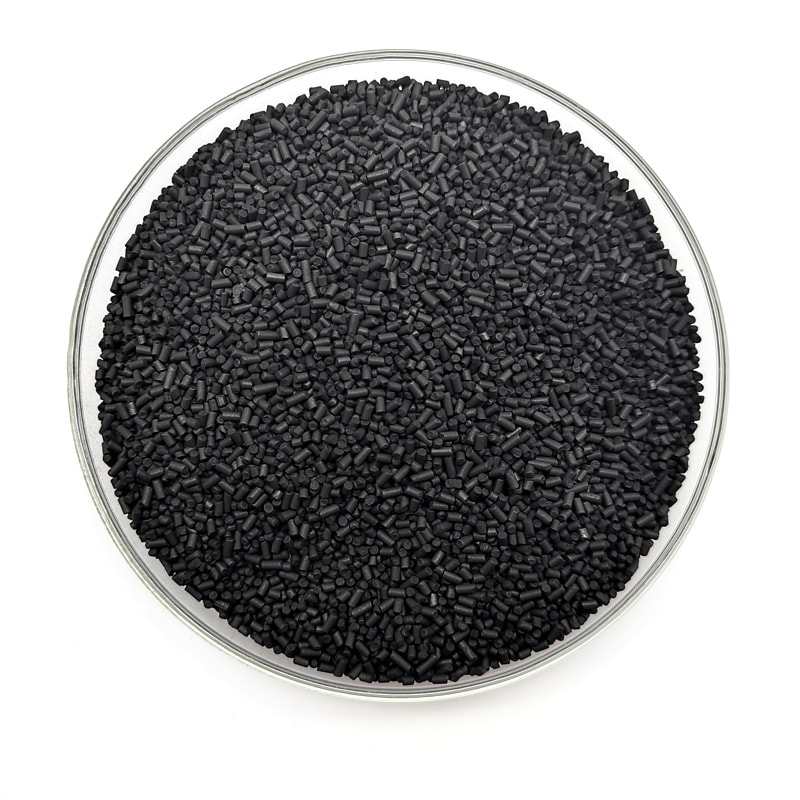
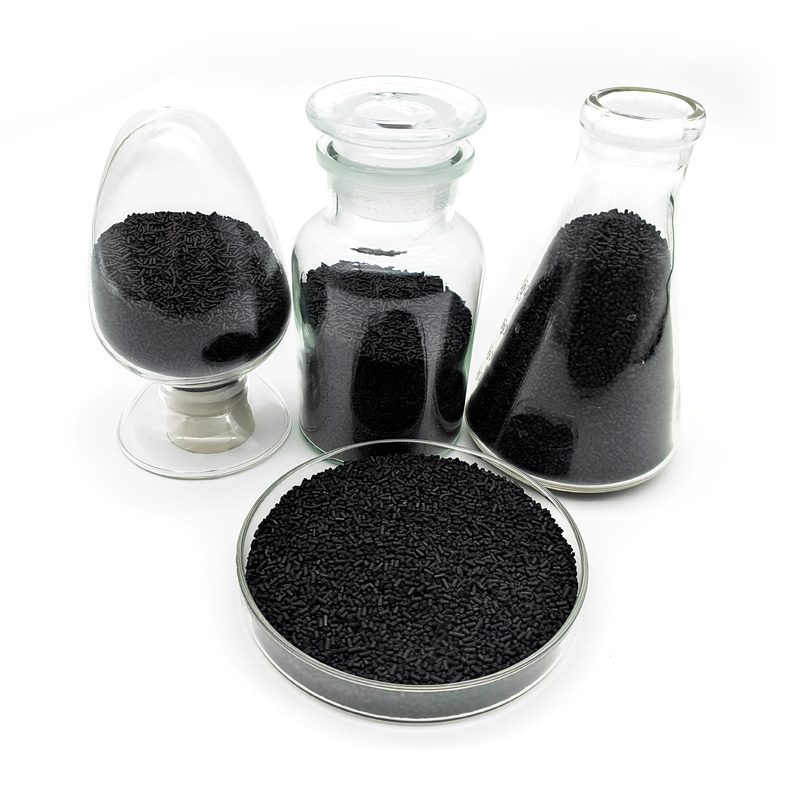
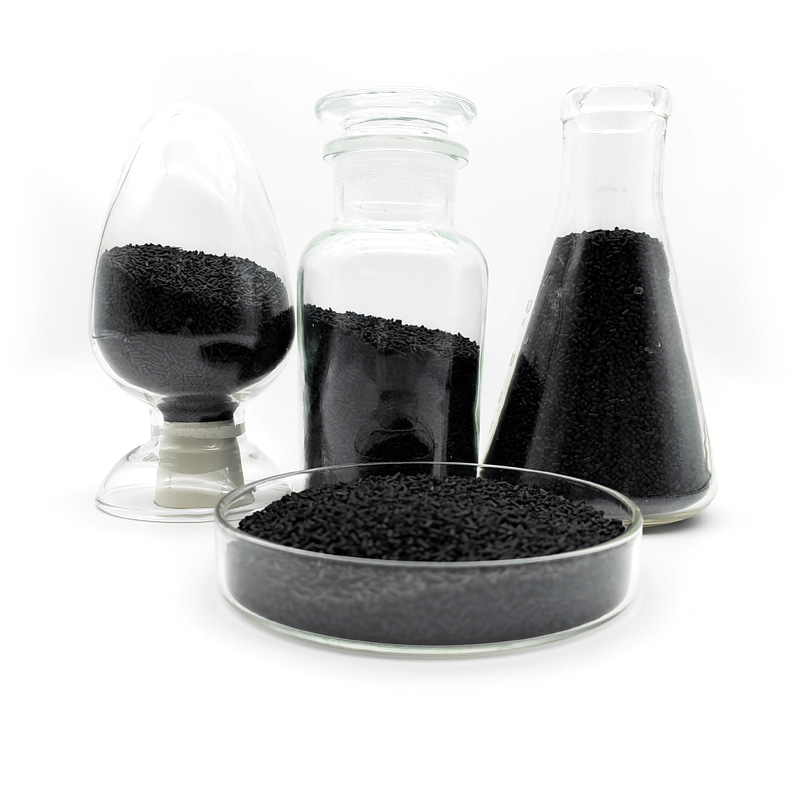
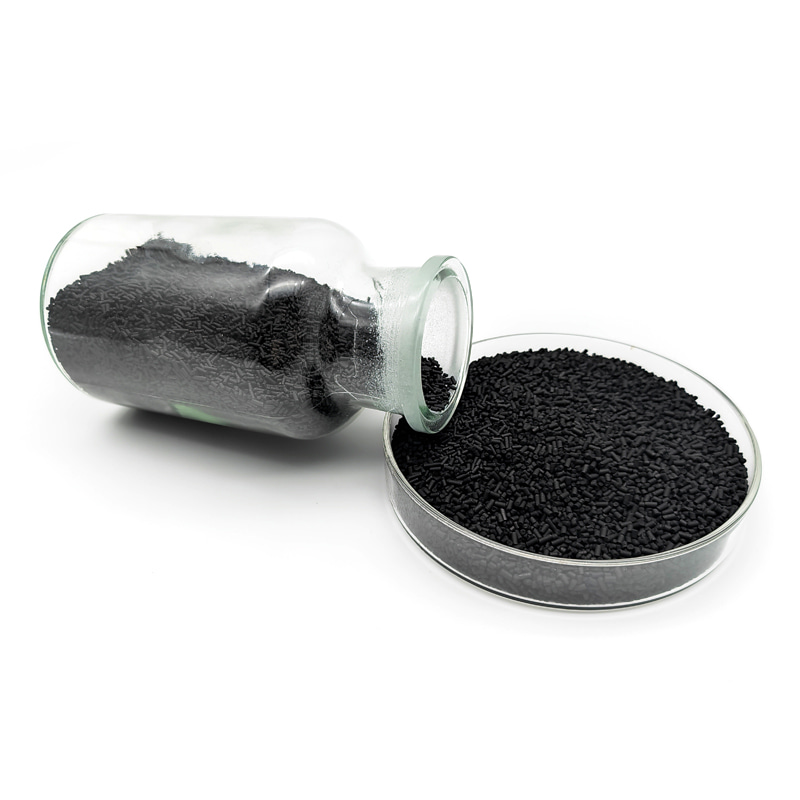
Carbon molecular sieve (CMS) is a specialized porous carbon adsorbent designed to separate oxygen from nitrogen in compressed air. It is the central working material in pressure swing adsorption (PSA) nitrogen generators, where its carefully controlled microporous structure allows oxygen and other faster-diffusing gases to be adsorbed while nitrogen passes through as the product gas. The efficiency, purity, operating cost, and service life of a PSA nitrogen generator depend heavily on the quality and consistency of its carbon molecular sieve.
Anhui Zhuoxu New Material Technology Co., Ltd. supplies CMS-240, CMS-260, CMS-280, and CMS-330 carbon molecular sieve grades for nitrogen-generation equipment. These products are developed for different combinations of nitrogen purity, gas production, air consumption, and operating requirements. The product range is suitable for industrial nitrogen generators serving chemical processing, oil and gas, electronics, food packaging, pharmaceuticals, metallurgy, cable manufacturing, coal processing, transportation, and storage.
Compared with ordinary porous carbon adsorbents, high-quality CMS provides more uniform pore-size distribution, better oxygen adsorption kinetics, improved nitrogen recovery, and more stable operation. These characteristics help users produce nitrogen efficiently without relying on cryogenic air separation or large quantities of liquid nitrogen. For companies seeking a reliable nitrogen source at the point of use, CMS-based PSA technology offers a practical balance between investment, flexibility, energy consumption, and production capacity.
What Is Carbon Molecular Sieve?
Carbon molecular sieve is a carbonaceous adsorbent containing a network of extremely small pores. These pores are engineered to distinguish gas molecules according to their kinetic diameter and diffusion rate. In nitrogen-generation applications, the pore structure is designed so that oxygen molecules enter and diffuse through the micropores more rapidly than nitrogen molecules. Under pressure, oxygen is preferentially retained by the CMS, while nitrogen exits the adsorption vessel as the product gas.
The term “molecular sieve” describes the material’s ability to separate molecules by size and transport behavior. The separation does not depend only on total surface area. Micropore dimensions, pore connectivity, surface chemistry, particle strength, adsorption rate, and desorption behavior all influence actual generator performance. A material with a high surface area but poorly controlled pores may not deliver the same nitrogen recovery or purity as a CMS with a more suitable pore-size distribution.
For oxygen-nitrogen separation, the effective pore size is generally within the sub-nanometer range. The supplied CMS products are designed around a highly selective microporous structure, commonly associated with pore sizes of approximately 0.28 to 0.38 nanometers. This range supports rapid oxygen diffusion while limiting the diffusion rate of nitrogen. The result is a practical separation mechanism for cyclic PSA operation.
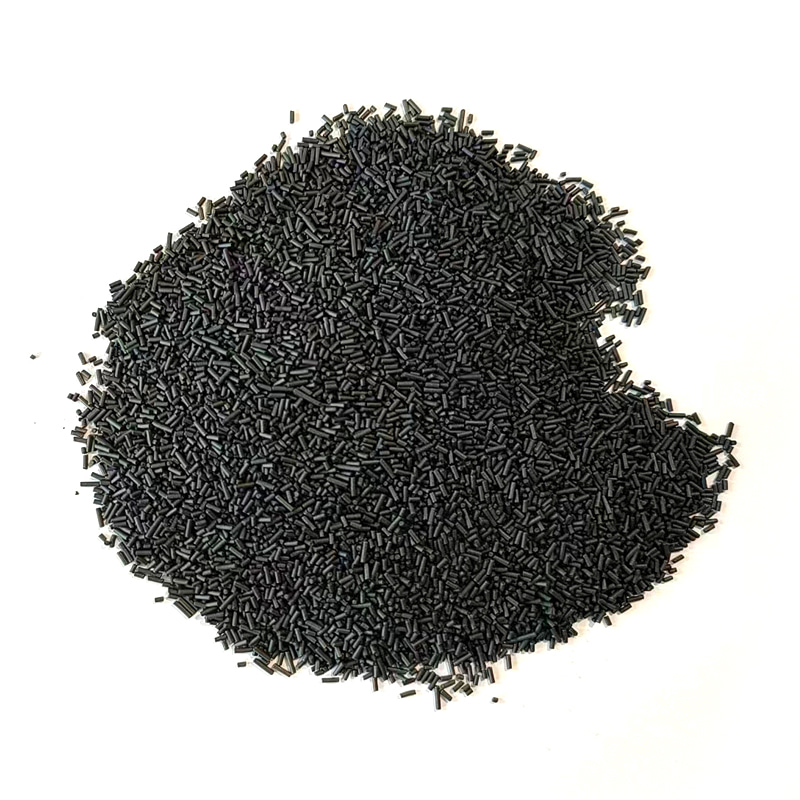
CMS is normally supplied in shaped particles or pellets. Pellet geometry is important because it affects pressure drop, packing density, mechanical resistance, gas distribution, and resistance to attrition. A well-formed pellet must maintain its structure during filling, pressurization, depressurization, and repeated pressure equalization. If the pellets break down into excessive dust, the adsorption bed can suffer from channeling, increased pressure drop, blocked valves, and declining separation performance.
How CMS Works in a PSA Nitrogen Generator
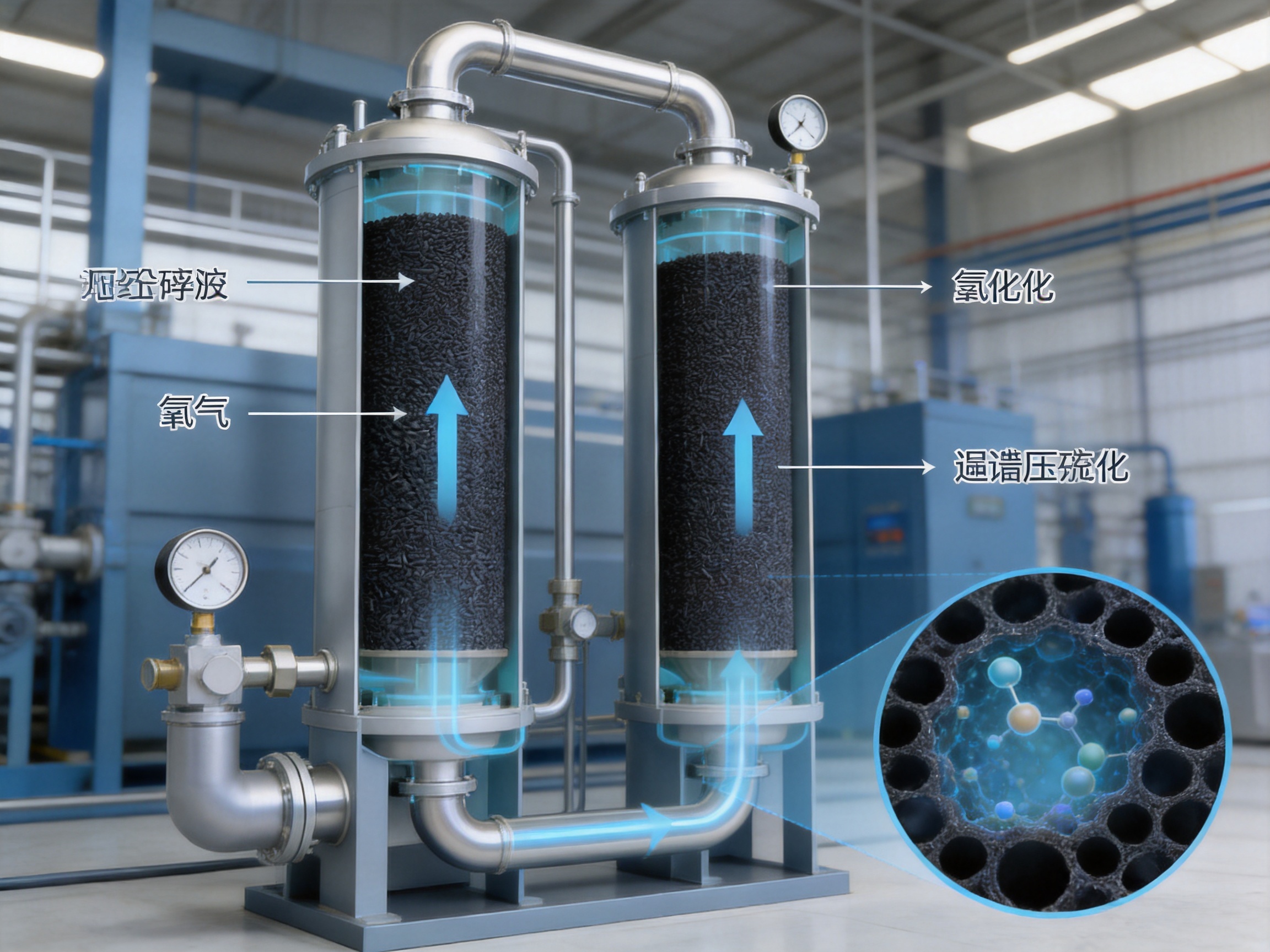
A PSA nitrogen generator normally contains two or more adsorption towers filled with CMS. While one tower is under pressure and producing nitrogen, the other tower is regenerated at a lower pressure. The towers alternate between adsorption and regeneration so that nitrogen production can continue as a semi-continuous process.
Pressurized adsorption
Clean, compressed air enters an adsorption tower containing CMS. The air consists primarily of nitrogen and oxygen, together with small quantities of argon, carbon dioxide, water vapor, hydrocarbons, and other trace components. Oxygen diffuses into the CMS micropores more readily than nitrogen. As a result, oxygen is preferentially adsorbed, while nitrogen remains in the gas phase and leaves the tower as product gas.
Depressurization and regeneration
After the adsorption period, the CMS approaches its working adsorption capacity. The tower is then depressurized, usually toward atmospheric pressure or another low regeneration pressure. The reduction in pressure decreases the amount of oxygen retained by the CMS, allowing the adsorbed gas to desorb. Some systems use a small flow of product nitrogen to purge the regenerated tower and improve desorption efficiency.
Pressure equalization
Many PSA systems use pressure equalization between towers. Gas remaining in a completed adsorption tower is transferred to a tower that has recently been regenerated. This process reduces the amount of compressed gas lost during depressurization and can improve nitrogen recovery. It also reduces the pressure shock experienced by the CMS bed, provided that the equalization valves and timing are correctly controlled.
Continuous cycling
The two towers operate in alternating cycles. One tower adsorbs oxygen and produces nitrogen, while the other regenerates. When the cycle ends, their functions are exchanged. The performance of the complete system depends on the combined effect of CMS quality, tower design, air pretreatment, cycle timing, pressure, temperature, valve performance, and product demand.
CMS is therefore not an isolated component. It is part of a carefully balanced gas-separation system. Even an advanced adsorbent may perform poorly if oil vapor, liquid water, excessive dust, or high operating temperatures enter the adsorption tower. Conversely, suitable equipment design and correct operating conditions allow high-quality CMS to deliver stable purity and efficient gas production over a long service period.
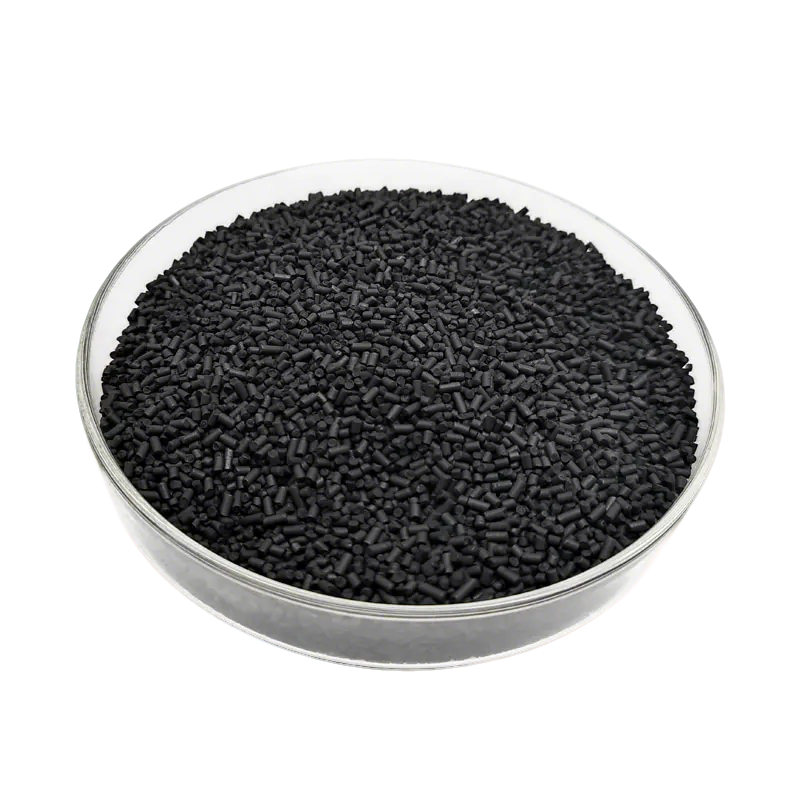
Carbon Molecular Sieve (CMS)
Main Advantages of Carbon Molecular Sieve
Selective oxygen-nitrogen separation
The most important advantage of CMS is its selective adsorption and diffusion behavior. The material is engineered to adsorb oxygen faster than nitrogen. This makes it particularly suitable for PSA nitrogen generation, where the objective is to obtain nitrogen-rich gas without using cryogenic temperatures or complex distillation columns.
The selective micropore structure allows the generator to reach nitrogen purities ranging from general industrial grades to very high-purity levels, depending on the CMS grade and system configuration. Product purity can be adjusted through cycle time, gas flow, adsorption pressure, purge rate, and the proportion of product gas withdrawn from the system.
High adsorption efficiency
CMS retains meaningful adsorption capacity even when the concentration of a gas component is relatively low. This characteristic is valuable during cyclic operation because the adsorbent must repeatedly remove oxygen from air within short adsorption periods. Strong adsorption kinetics allow the system to reach the desired purity without requiring excessively large towers.
CMS can also maintain useful adsorption performance across a practical operating-temperature range. Nevertheless, lower adsorption temperatures are generally favorable because adsorption is an exothermic process. When the bed temperature rises, the equilibrium adsorption capacity tends to decline. Good cooling, drying, and ventilation around the generator are therefore important for obtaining the best results.
Lower nitrogen production cost
PSA nitrogen generation can reduce the cost associated with purchased cylinders, liquid nitrogen deliveries, storage tanks, and repeated logistics. Nitrogen is generated at the point of use, allowing users to produce gas according to actual demand. This can be particularly advantageous for facilities with variable consumption or locations where liquid nitrogen delivery is inconvenient.
CMS contributes to cost control by influencing the amount of compressed air required for each unit of nitrogen. A material with efficient oxygen adsorption and favorable nitrogen recovery can reduce the air-to-nitrogen ratio. Lower compressed-air demand may reduce compressor power consumption, operating expenses, and the required capacity of upstream equipment.
Long service life
A strong CMS pellet can withstand repeated pressurization and depressurization cycles with limited attrition. Mechanical durability is essential because PSA generators operate continuously and may complete many thousands of cycles during their working life. Resistance to crushing and pulverization helps maintain bed permeability and reduces dust-related problems.
Service life also depends on the cleanliness of the feed air. Oil, water, organic vapors, and liquid contaminants can block micropores or change the surface properties of the adsorbent. Proper pretreatment is therefore necessary to protect the material and preserve its adsorption capacity.
Flexible purity and capacity adjustment
One of the practical advantages of CMS-based nitrogen generation is flexibility. Users can select a higher nitrogen production rate when moderate purity is acceptable, or reduce the flow rate to obtain higher purity. The same generator may therefore support different operating modes for start-up, normal production, peak demand, and standby operation.
The CMS-240, CMS-260, CMS-280, and CMS-330 series provide options for equipment manufacturers and end users. The appropriate grade can be selected according to the target nitrogen purity, expected flow rate, air consumption, tower volume, and cycle configuration.
Product Grades and Performance Range
The supplied product range includes four principal CMS grades. The performance figures below are reference values based on an adsorption pressure of approximately 0.75 to 0.80 MPa. Actual results may vary according to generator design, feed-air conditions, adsorption and regeneration timing, product flow, ambient temperature, and measurement method.
| Model | Nitrogen purity | Nitrogen production rate (m³/h·t) | Air-to-nitrogen ratio |
| CMS-240 | 99.999% | 70 | 6.5 |
| CMS-240 | 99.99% | 110 | 4.6 |
| CMS-240 | 99.9% | 165 | 3.6 |
| CMS-240 | 99.5% | 240 | 2.6 |
| CMS-240 | 99% | 290 | 2.3 |
| CMS-260 | 99.999% | 80 | 6.4 |
| CMS-260 | 99.99% | 120 | 4.5 |
| CMS-260 | 99.9% | 175 | 3.5 |
| CMS-260 | 99.5% | 260 | 2.5 |
| CMS-260 | 99% | 305 | 2.2 |
| CMS-280 | 99.999% | 90 | 6.2 |
| CMS-280 | 99.99% | 135 | 4.2 |
| CMS-280 | 99.9% | 195 | 3.3 |
| CMS-280 | 99.5% | 280 | 2.3 |
| CMS-280 | 99% | 335 | 1.9 |
| CMS-330 | 99.999% | 100 | 6.2 |
| CMS-330 | 99.99% | 170 | 4.0 |
| CMS-330 | 99.9% | 250 | 3.3 |
| CMS-330 | 99.5% | 330 | 2.3 |
| CMS-330 | 99% | 360 | 1.9 |
In general, the higher-performance grades are intended to provide greater production rates or improved air utilization under comparable conditions. CMS-240 may be selected for suitable standard applications, while CMS-260, CMS-280, and CMS-330 can support increasingly demanding production requirements. Selection should not be based solely on the highest nominal gas production rate. A system designer should also consider purity stability, tower dimensions, compressor capacity, cycle frequency, regeneration method, and the cost of nitrogen losses.
CMS-240
CMS-240 is suitable for nitrogen generators requiring a balance between purity and production rate. It can support nitrogen purity from approximately 99% to 99.999%, with the production rate adjusted according to the required specification. It may be appropriate for general industrial blanketing, basic heat-treatment operations, pneumatic applications, and other processes where stable nitrogen is required at moderate capacity.
CMS-260
CMS-260 provides a higher reference production rate than CMS-240 at comparable purity levels. It can be considered for facilities seeking improved nitrogen output while maintaining a practical air-to-nitrogen ratio. Its operating range may serve medium-capacity industrial systems and equipment manufacturers developing standardized PSA packages.
CMS-280
CMS-280 is designed for demanding nitrogen production applications. The reference data indicate higher output across the listed purity levels, including high-purity operation. Its balance of production rate and air consumption makes it suitable for systems where energy efficiency and equipment compactness are important design objectives.
CMS-330
CMS-330 is the highest-performance grade in the listed range. It is intended for high-capacity or high-efficiency PSA nitrogen generators that require strong production performance across several purity levels. For applications with large gas demand, this grade may help reduce the required adsorbent volume or improve output from an existing tower arrangement, subject to proper engineering validation.
Advanced Manufacturing and Material Control
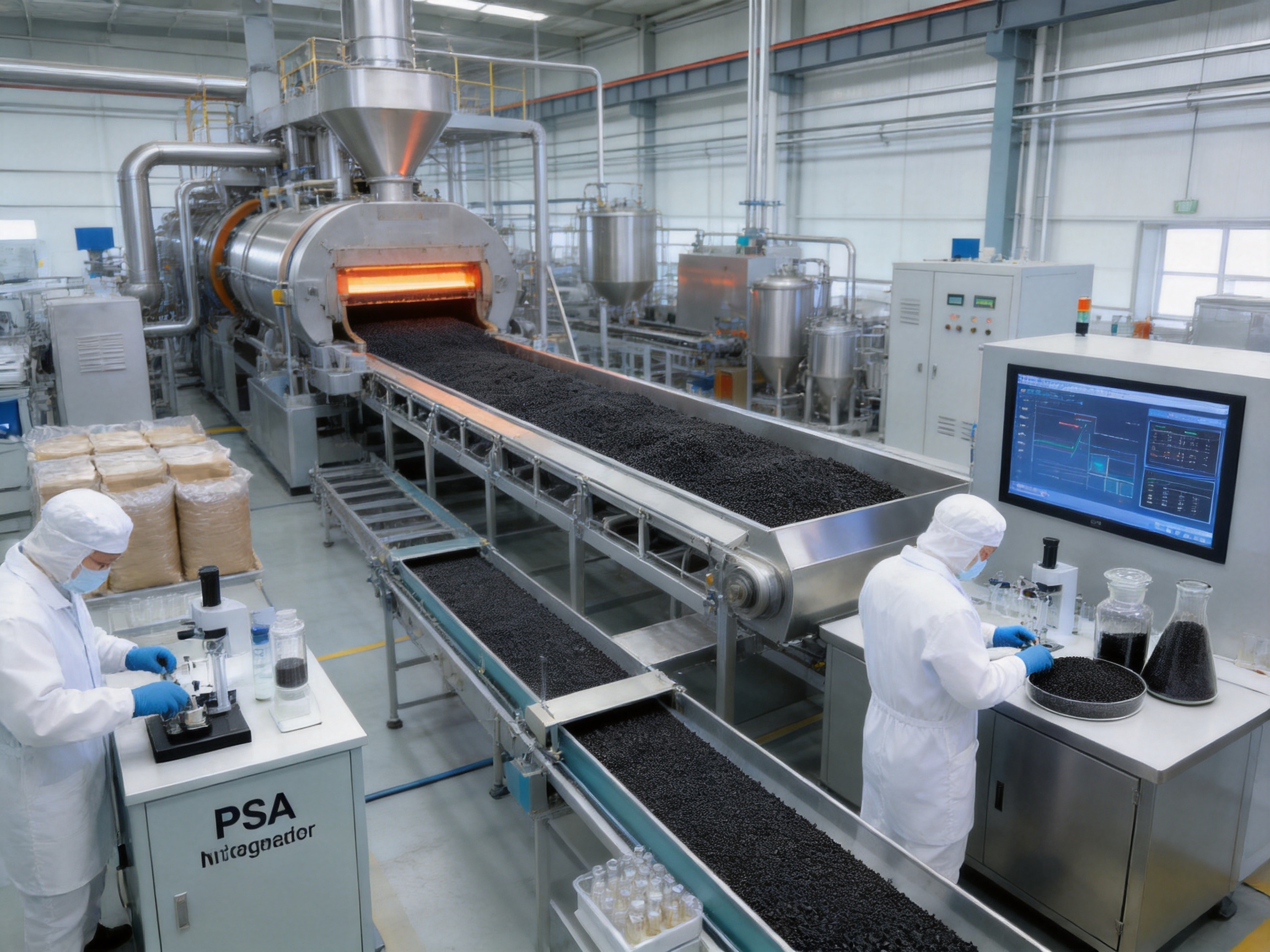
The performance of CMS begins with raw-material selection and continues through carbonization, pore development, shaping, activation or modification, screening, packaging, and final testing. Consistency at each stage is necessary because even small changes in precursor composition, moisture, heating profile, or particle size can influence adsorption kinetics and mechanical strength.
Controlled raw-material supply
Anhui Zhuoxu New Material Technology Co., Ltd. works within the Huiya Group industrial structure and cooperates with raw-material suppliers to support stable feedstock availability. The company reports that its principal CMS carbon material is supplied through related industrial resources, helping reduce dependence on uncontrolled intermediate trading channels and supporting more consistent production planning.
A controlled raw-material chain can provide several advantages. It helps reduce variation in chemical composition, improves traceability, supports repeatable carbonization behavior, and allows process engineers to adjust the formulation more systematically. It may also reduce unnecessary procurement layers and help pass manufacturing efficiencies to customers.
Specialized carbon material and pore development
The company uses a specialized carbon-material base designed for CMS production. The objective is to create a stable porous structure with an appropriate balance between micropore volume, diffusion rate, adsorption capacity, and pellet strength. A nitrogen-generation adsorbent must not simply have the maximum possible pore volume; it must have pores that provide the desired oxygen-selective behavior under the pressure and cycle conditions of a PSA system.
Thermal treatment is one of the most important steps in forming the carbon structure. Carbonization converts the precursor into a carbon-rich framework, while subsequent process controls influence pore development and surface characteristics. Heating rate, holding time, atmosphere, and cooling conditions can all affect the final adsorption behavior. Consistent process control is therefore central to producing repeatable CMS grades.
Continuous production equipment
Continuous production equipment is used to reduce unnecessary manual handling and improve process stability. Automation can minimize direct labor variation, maintain more consistent residence times, and reduce the risk of contamination or mixing errors. It also supports higher production efficiency and helps manufacturers maintain steady output for large-volume orders.
Continuous processing does not eliminate the need for inspection. Instead, it allows quality-control personnel to focus on monitoring critical process parameters, sampling intermediate materials, checking particle characteristics, and verifying final performance. A controlled combination of automation and laboratory testing is more reliable than depending only on visual inspection or operator experience.
Climate and production-site considerations
The company’s production base is located in northern China, where relatively lower ambient humidity during important production periods can support moisture control. Moisture is a significant consideration for CMS because water competes strongly for adsorption sites and may affect pore accessibility. Controlling the moisture content of raw materials, intermediate products, finished CMS, and packaging environments helps preserve product performance.
Moisture control is also important during storage and transportation. CMS should be sealed in appropriate moisture-resistant packaging and protected from rain, condensation, and prolonged exposure to humid air. If the material absorbs excessive water before installation, the nitrogen generator may require extended conditioning or regeneration before reaching its expected performance.
Research and development cooperation
The company cooperates with Jinan Shengquan Group and the China University of Mining and Technology in research and development activities related to carbon materials and CMS performance. Such cooperation supports the study of precursor behavior, porous-structure control, adsorption characteristics, and process optimization.
Research collaboration is valuable because CMS development requires knowledge from several disciplines, including polymer chemistry, carbon materials, adsorption science, process engineering, equipment design, and industrial gas production. Continuous technical iteration can help improve the consistency of existing grades and support the development of future products for PSA, energy storage, and other porous-carbon applications.
Factory performance verification
A notable quality-control requirement is that the CMS product must be tested in a nitrogen generator before shipment. This approach is more meaningful than relying only on basic physical measurements such as particle size, moisture, or apparent density. A material can meet laboratory specifications yet perform differently in a real adsorption bed if its diffusion behavior, pressure response, or regeneration characteristics are not suitable.
Testing in a nitrogen generator provides a practical evaluation of nitrogen purity, production rate, air consumption, cycle stability, and overall separation behavior. Products are released only after passing the relevant performance assessment. This procedure helps connect material quality with actual customer use and reduces the risk of supplying CMS that performs well only under simplified laboratory conditions.
Quality and Manufacturing Strengths
Anhui Zhuoxu New Material Technology Co., Ltd. is a wholly owned subsidiary of Huiya Group and operates a porous-carbon production base in Xuancheng, Anhui Province, China. The company reports an annual capacity of 4,000 tons of porous carbon materials and 30,000 cubic meters of floral foam. A Phase II porous-carbon project with a planned capacity of 3,000 tons is scheduled to begin operation in 2026, with applications including silicon-carbon anode materials, PSA adsorbents, and other advanced carbon products.
The company owns 21 core patents and holds ISO 9001 certification. ISO 9001 provides a structured framework for quality-management processes, documentation, corrective action, traceability, and continuous improvement. Certification does not replace product-specific performance testing, but it supports disciplined manufacturing and quality-control practices.
The company also describes a high proportion of production at CMS-280 and above. This indicates a focus on higher-performance CMS grades rather than relying primarily on lower-output materials. For customers operating industrial nitrogen generators, the availability of higher-grade material can provide more options when optimizing tower size, compressor capacity, nitrogen recovery, and operating cost.
The integration of porous-carbon material production with nitrogen-equipment services gives the company an understanding of both the adsorbent and the application. This is useful because CMS selection should be connected to the operating conditions of the generator. A supplier that understands tower design and PSA performance can provide more relevant guidance than a supplier that treats CMS only as a commodity granular material.
Feed-Air Pretreatment Requirements
Feed-air pretreatment is essential for protecting CMS. Compressed air from an oil-lubricated compressor may contain oil vapor, aerosol, liquid water, and other contaminants. During compression, the air temperature rises, and the compressed air must be cooled and purified before entering the adsorption tower.
The recommended feed-air conditions include a pressure dew point below approximately minus 40 degrees Celsius, oil content below approximately 0.3 parts per million, and the absence of harmful organic atmospheres. These values should be confirmed against the specific generator design and CMS supplier instructions. In all cases, the air should be clean, dry, and free from liquid contamination.
Cooling
An aftercooler reduces the temperature of compressed air and condenses a portion of its moisture. An automatic drain or separator removes the condensed liquid. If the aftercooler or drain system is undersized, water may enter downstream filters and dryers, increasing the load on the purification system.
Oil removal
Coalescing filters remove liquid oil and aerosols, while activated-carbon filters may be used to reduce oil vapor and organic contaminants. Filter selection should match the compressor type, air flow, pressure, and required outlet quality. Filter elements must be replaced according to pressure drop and service condition rather than being left in operation indefinitely.
Drying
A dryer reduces the moisture content of the feed air. Refrigerated dryers may be sufficient for some applications, while desiccant dryers are often selected when a lower pressure dew point is required. The dryer must be properly sized for actual inlet temperature, pressure, flow, and regeneration conditions.
Particle filtration
Fine filters protect the CMS bed from rust, pipe scale, desiccant dust, and other particles. Particulate contamination can block interparticle voids, increase pressure drop, and accelerate bed degradation. Filters should be installed and maintained so that contaminants are removed before the air reaches the adsorption tower.
Good pretreatment is one of the most effective ways to extend CMS service life. Many apparent adsorbent failures are actually caused by oil or water contamination, improper drainage, filter bypass, or inadequate dryer performance. A complete nitrogen-generation system should therefore treat air purification as a core part of CMS protection rather than as an optional accessory.
Operating Conditions for Reliable Performance
Adsorption pressure
The supplied reference data are based on an adsorption pressure of approximately 0.75 to 0.80 MPa. Higher pressure generally increases the amount of oxygen that can be adsorbed, but excessive pressure can increase compressor power consumption, place greater demands on vessels and valves, and raise equipment costs. The best pressure is the one that provides the required purity and production rate at an acceptable total energy cost.
Operating pressure should be evaluated together with regeneration pressure, cycle time, air-to-nitrogen ratio, compressor efficiency, and product demand. Increasing pressure alone does not guarantee lower operating cost. A balanced PSA cycle is more important than maximizing any individual parameter.
Pressure equalization time
Pressure equalization transfers gas from one tower to another before or during regeneration. A typical equalization period may be approximately one to three seconds, although the actual value depends on tower volume, valve size, piping arrangement, pressure difference, and control logic.
If equalization is too short, the system may not recover enough gas energy. If it is too long, the cycle may lose productive adsorption time or create unnecessary mixing. Correct equalization reduces abrupt pressure changes, improves gas recovery, and helps prevent CMS pulverization caused by repeated mechanical shock.
Temperature
Because adsorption releases heat, the CMS bed temperature can increase during the adsorption step. Higher temperature usually reduces adsorption capacity and can influence nitrogen purity. Maintaining an ambient temperature at or below approximately 15 degrees Celsius is identified as favorable for optimal nitrogen-generator performance, although the suitable range depends on the equipment and local conditions.
Users should provide adequate ventilation around the compressor and PSA unit, avoid direct solar heating of the adsorption vessels, and monitor the temperature of compressed air entering the pretreatment system. In hot climates, additional cooling may be necessary to maintain stable production.
Purity and flow balance
Nitrogen purity and production rate have an inverse relationship in many PSA operating modes. When the product flow is increased, the contact time between air and CMS may decrease, allowing more oxygen to pass through and lowering nitrogen purity. When product flow is reduced, the system can generally achieve higher purity, but the amount of nitrogen produced per unit of time declines.
Operators should define the actual purity requirement instead of automatically selecting the highest possible specification. For example, a food-packaging process may require a different purity level from an electronics process or a metal heat-treatment line. Producing nitrogen at a purity substantially higher than necessary may increase compressed-air consumption and operating cost.
Applications of CMS Nitrogen Generation
Chemical processing
Nitrogen is used to provide inert atmospheres, protect reactive materials, purge pipelines, and reduce the risk of oxidation. PSA nitrogen generators allow chemical plants to produce gas near storage tanks, reactors, blending systems, and packaging lines. The required purity depends on the sensitivity of the chemicals and the specific process hazard analysis.
Oil and gas
Oil and gas operations use nitrogen for tank blanketing, pipeline purging, well-service activities, pressure testing, and inerting. On-site generation can reduce dependence on delivered liquid nitrogen, especially at remote facilities. System designers must consider the required flow, pressure, purity, environmental conditions, and safety controls.
Electronics manufacturing
Electronic components and circuit-board processes often require dry, oxygen-reduced atmospheres. Nitrogen may be used in soldering, reflow, storage, packaging, and component protection. Stable purity and low moisture are particularly important in applications where oxidation or contamination can affect product quality.
Food packaging
Nitrogen is widely used for modified-atmosphere packaging, tank blanketing, and product preservation. It can displace oxygen and help reduce oxidation in suitable foods. Food applications require attention to gas quality, hygienic equipment design, filtration, and compliance with applicable regulations.
Pharmaceutical production
Pharmaceutical facilities may use nitrogen for inerting, drying, transfer, packaging, and protection of oxygen-sensitive materials. The generator and distribution system should be designed according to the required purity, dew point, oil content, microbial-control strategy, and regulatory expectations.
Metal heat treatment
Nitrogen can protect heated metal surfaces from oxidation and support controlled-atmosphere processes. The exact purity requirement depends on furnace temperature, material composition, process atmosphere, and whether other gases are added. A CMS grade with stable high-purity performance may be suitable for processes that require reliable inert gas production.
Cable and wire manufacturing
Nitrogen may be used during cable production, storage, and packaging to reduce oxidation and moisture exposure. On-site PSA generation can offer an economical gas source for continuous manufacturing lines, particularly when the required flow is steady and the facility has suitable compressed-air infrastructure.
Coal, transportation, and storage
Nitrogen is used in selected coal-handling, warehouse, transportation, and storage applications to reduce oxidation and create a controlled atmosphere. These uses require a detailed assessment of ventilation, pressure, monitoring, and occupational safety. Nitrogen can displace oxygen, so enclosed spaces must be managed carefully.
How CMS Compares with Other Nitrogen-Supply Options
PSA nitrogen generation occupies a useful position between membrane separation and cryogenic air separation. Membrane systems can be compact and simple, but their achievable purity and recovery may be limited for certain requirements. Cryogenic plants can provide very large quantities of high-purity nitrogen, but they require greater capital investment, complex low-temperature equipment, and centralized production infrastructure.
CMS-based PSA systems are generally well suited to medium and high on-site nitrogen demand. They can produce nitrogen continuously, adjust output according to demand, and avoid the storage and delivery issues associated with liquid nitrogen. The principal operating expense is usually compressed-air power, so CMS performance and air recovery have a direct impact on lifecycle cost.
Compared with lower-quality carbon adsorbents, advanced CMS should offer better control of pore structure, stronger particle integrity, more predictable adsorption kinetics, and better batch-to-batch consistency. These advantages may reduce the amount of adsorbent required, improve nitrogen purity stability, lower air consumption, and extend the interval between bed replacement or maintenance.
However, no adsorbent is universally superior under every condition. Selection should be based on measured performance in the intended generator, not solely on a model name or a single laboratory value. A responsible supplier should provide technical data, recommend suitable operating conditions, and support validation under the customer’s actual process requirements.
Installation, Storage, and Maintenance Guidance
CMS should remain sealed until it is ready to be loaded into the adsorption vessel. Packaging should protect the product from humidity, rain, condensation, oil vapor, and physical damage. Bags or containers should not be left open in the installation area, particularly in humid climates.
Before loading, the adsorption vessel should be clean and free from welding slag, rust, dust, oil, and water. Screens, support layers, distributors, and retaining components should be inspected. Pellets should be loaded carefully to avoid excessive drop height, crushing, segregation, or uneven bed density.
After loading, the vessel should be closed promptly and the system should undergo an appropriate conditioning or regeneration procedure. The initial start-up may require several cycles before the product gas reaches stable purity. Operators should monitor oxygen concentration, product flow, pressure, temperature, valve timing, and pressure drop during commissioning.
During operation, unusual pressure fluctuations, increased dust, rising pressure drop, declining purity, or greater compressed-air consumption may indicate a problem. Possible causes include wet feed air, oil contamination, valve leakage, channeling, incorrect cycle timing, damaged distributors, or CMS degradation. Troubleshooting should begin with the complete system rather than assuming that the adsorbent alone is responsible.
When the CMS bed reaches the end of its service life, replacement should be performed under controlled conditions. Used adsorbent may contain adsorbed gases or contaminants and should be handled according to the facility’s safety and waste-management procedures. The new material should not be mixed with unknown or heavily degraded adsorbent unless the system designer has approved the practice.
Technical and Commercial Benefits for Equipment Manufacturers
For PSA equipment manufacturers, a consistent CMS supply is essential for standardizing tower dimensions, cycle programs, compressor selection, and performance guarantees. The availability of several grades allows manufacturers to configure systems for different nitrogen capacities without redesigning every component from the beginning.
CMS-240 through CMS-330 can support product segmentation for compact generators, medium industrial units, and higher-capacity systems. A manufacturer can select a grade based on target output and purity while also considering adsorbent loading volume and pressure-drop limits. Factory testing of the CMS in a nitrogen generator adds confidence when developing or validating a new equipment model.
The company’s porous-carbon production capacity, patent portfolio, ISO 9001 quality system, research partnerships, and integrated relationship with nitrogen equipment services provide a foundation for long-term supply. These strengths may be particularly valuable to customers seeking custom specifications, technical cooperation, private-label supply, or stable procurement for repeated projects.
Custom support may include selection of a suitable CMS grade, analysis of nitrogen-purity requirements, evaluation of air-to-nitrogen ratio, packaging preferences, particle-size requirements, and guidance on storage or commissioning. Any customized specification should be confirmed by technical testing before full-scale commercial deployment.
Frequently Asked Questions
What is the primary function of CMS in a nitrogen generator?
CMS selectively adsorbs oxygen from compressed air while allowing nitrogen to pass through the adsorption bed. The difference in molecular diffusion behavior creates nitrogen-enriched product gas.
What purity levels can these CMS products support?
The listed CMS-240, CMS-260, CMS-280, and CMS-330 grades are provided for nitrogen purity levels from approximately 99% to 99.999%, depending on the model and operating conditions. Actual purity depends on generator design, cycle settings, feed-air quality, temperature, and product flow.
Which CMS grade should a customer choose?
The selection should be based on required nitrogen purity, production rate, air consumption, tower size, compressor capacity, cycle design, and total operating cost. CMS-240 may suit standard requirements, while CMS-260, CMS-280, and CMS-330 can be considered for higher production or more demanding systems. Technical validation is recommended before final selection.
Why is dry compressed air important?
Water competes for adsorption sites and may block or damage the effective microporous structure. Liquid water can also cause channeling, pellet degradation, and corrosion in the adsorption vessel. A suitable cooler, separator, dryer, and filtration system should be installed upstream of the CMS bed.
Can CMS produce nitrogen continuously?
Yes. A PSA nitrogen generator uses multiple adsorption towers that alternate between adsorption and regeneration. While one tower produces nitrogen, another tower is regenerated, allowing continuous or near-continuous product delivery.
Does higher nitrogen purity always mean better performance?
Not necessarily. Higher purity generally requires a lower product flow or higher compressed-air consumption. The best operating point is the purity that satisfies the process requirement at the lowest practical lifecycle cost.
What is pressure equalization used for?
Pressure equalization transfers gas between towers to recover energy, improve nitrogen recovery, and reduce pressure shock. Proper timing can also help limit CMS pulverization and extend bed life.
How does temperature affect CMS performance?
Adsorption releases heat, and higher temperature generally reduces adsorption capacity. Cooling the compressed air and maintaining a suitable ambient temperature can help stabilize nitrogen purity and production.
How is product quality verified before shipment?
The product is reported to undergo testing in a nitrogen generator before leaving the factory. This practical verification evaluates performance under PSA-related conditions rather than relying only on basic physical-property measurements.
What certifications and technical resources does the supplier have?
Anhui Zhuoxu New Material Technology Co., Ltd. reports ISO 9001 certification, 21 core patents, a porous-carbon production base, and research cooperation with industrial and academic partners. These resources support process control, product development, and application-oriented testing.
How should CMS be stored?
CMS should be kept sealed in moisture-resistant packaging in a dry, clean, well-ventilated area. It should be protected from rain, condensation, oil vapor, and prolonged exposure to humid air until installation.
Is CMS suitable for every nitrogen application?
CMS is suitable for many PSA nitrogen-generation applications, but the correct product depends on the required purity, flow, pressure, temperature, and feed-air quality. The complete system should be evaluated by a qualified equipment designer, especially for safety-critical, pharmaceutical, food, or high-purity applications.
Conclusion
Carbon molecular sieve is the key functional material that enables efficient PSA nitrogen generation. Its controlled microporous structure selectively adsorbs oxygen, supports nitrogen production at adjustable purity levels, and allows industrial users to generate gas on site. The CMS-240, CMS-260, CMS-280, and CMS-330 product range provides options for different combinations of purity, capacity, and air consumption.
The principal advantages of these products include selective oxygen-nitrogen separation, strong adsorption capacity, flexible operation, potential cost savings, and suitability for a wide range of industries. Their performance is supported by controlled raw-material supply, specialized porous-carbon technology, continuous production equipment, moisture-conscious manufacturing, research cooperation, ISO 9001 quality management, and nitrogen-generator testing before shipment.
For the best results, CMS selection must be combined with clean and dry feed air, suitable pressure, appropriate cycle timing, correct pressure equalization, effective temperature control, and disciplined maintenance. When these conditions are properly managed, high-quality CMS can help PSA nitrogen generators deliver stable purity, reliable output, and competitive lifecycle economics.
References
1. Ruthven, D. M., Principles of Adsorption and Adsorption Processes, Wiley-Interscience.
2. Yang, R. T., Gas Separation by Adsorption Processes, Butterworths.
3. International Organization for Standardization, ISO 9001, Quality Management Systems — Requirements.
4. Perry’s Chemical Engineers’ Handbook, sections on adsorption, gas separation, and industrial gas production.
5. Manufacturer technical data for CMS-240, CMS-260, CMS-280, and CMS-330 carbon molecular sieve products.
6. Internal product and process information supplied by Anhui Zhuoxu New Material Technology Co., Ltd.
Product: Carbon Molecular Sieve (CMS)



 E-mail
anhuilisa@126.com
 Phone
+86 18603224420
 Address
No. 26 Kunshan Road, Xuanzhou Economic Development Zone, Liqiao Town, Xuanzhou District, Xuancheng City, Anhui Province, P.R.China
Copyright Anhui Zhuoxu New Material Technology Co., Ltd. All rights reserved.
 Carbon Molecular Sieve Manufacturer Carbon Molecular Sieve Supplier