
 English
 中文简体
 русский
 Français
 Español
 عربى
 CONTACT US


Carbon Molecular Sieve for High-Performance PSA Nitrogen Generation
2026-11-04
Content
- 1 What Is Carbon Molecular Sieve?
- 2 Why CMS Quality Matters in PSA Nitrogen Generators
- 3 Core Advantages of Carbon Molecular Sieve
- 4 Product Range: CMS-240, CMS-260, CMS-280, and CMS-330
- 5 Manufacturing Strengths and Process Control
- 6 Protection of Carbon Molecular Sieve During Operation
- 7 Advantages Over Inconsistent or Lower-Quality Alternatives
- 8 Applications Across Industrial Sectors
- 9 How to Select the Appropriate CMS Grade
- 10 Installation, Storage, and Maintenance Recommendations
- 11 Quality Assurance and Supply Capability
- 12 Environmental and Economic Considerations
- 13 Q&A: Carbon Molecular Sieve for PSA Nitrogen Generation
- 13.1 What is the main function of carbon molecular sieve?
- 13.2 What is the difference between CMS-240, CMS-260, CMS-280, and CMS-330?
- 13.3 Does a higher CMS grade always provide the lowest operating cost?
- 13.4 What nitrogen purity can these products support?
- 13.5 Why is compressed-air pretreatment important?
- 13.6 What dew point and oil content are recommended?
- 13.7 How long can carbon molecular sieve last?
- 13.8 Can CMS be used in any nitrogen generator?
- 13.9 Why is pressure equalization used?
- 13.10 How should CMS be stored?
- 13.11 What information should a buyer provide when requesting a quotation?
- 14 Conclusion
- 15 References
- 16 Product: Carbon Molecular Sieve (CMS)
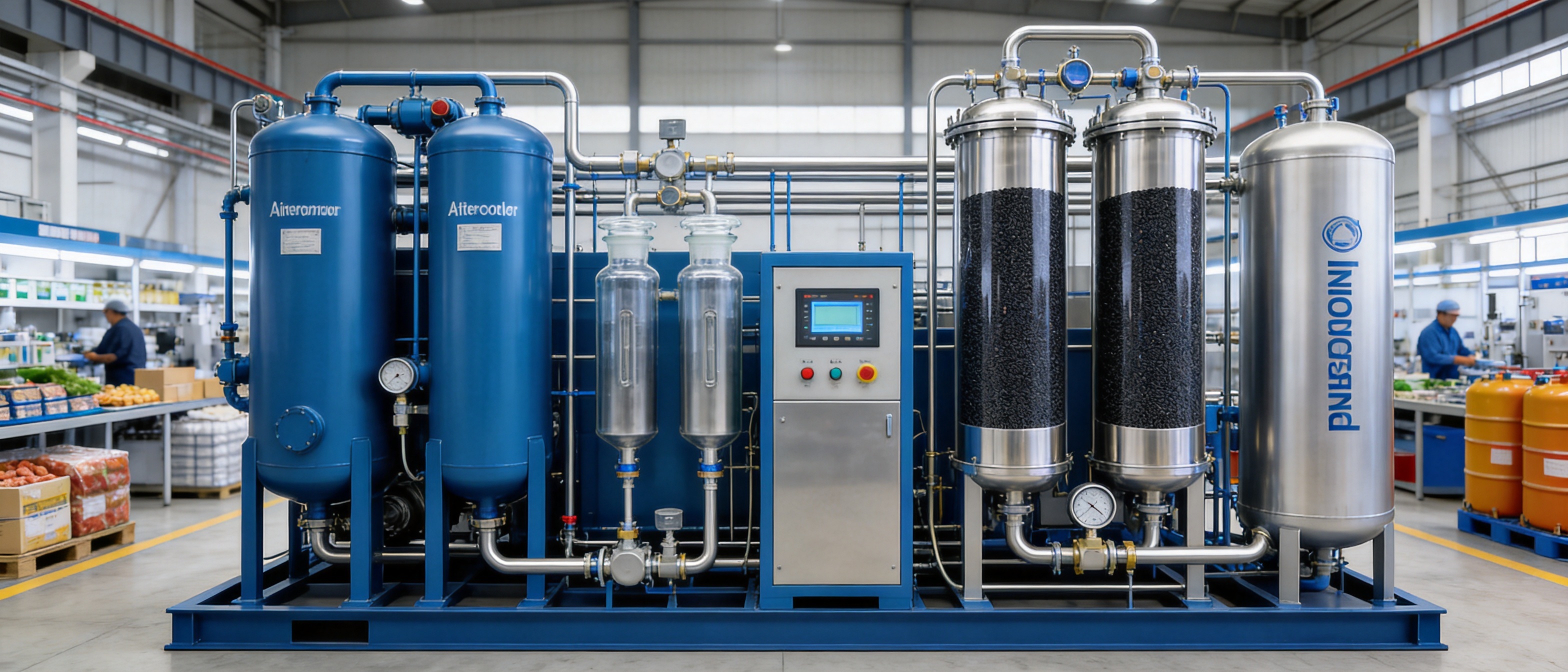
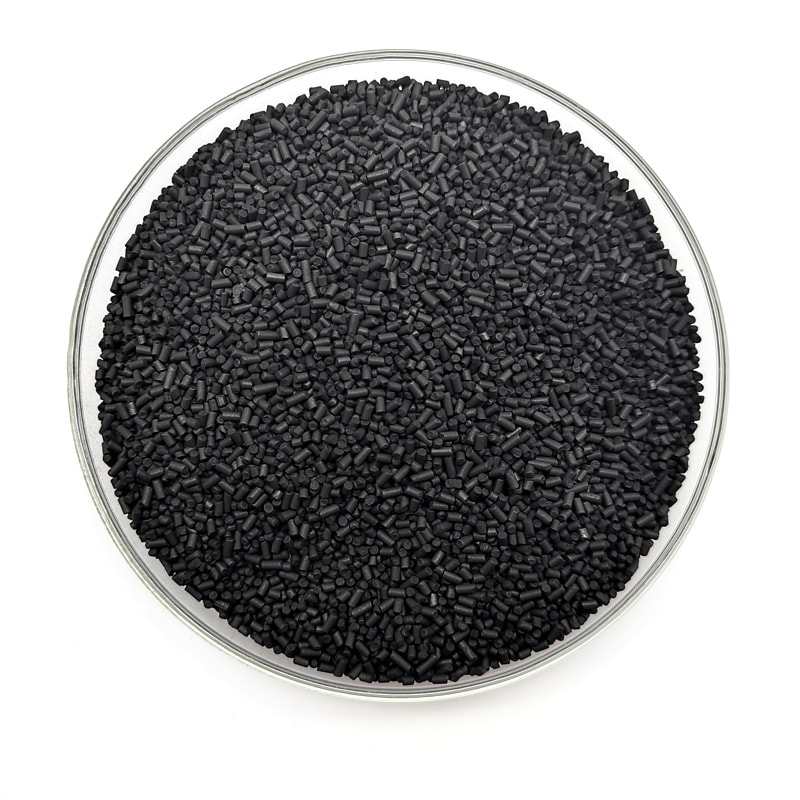
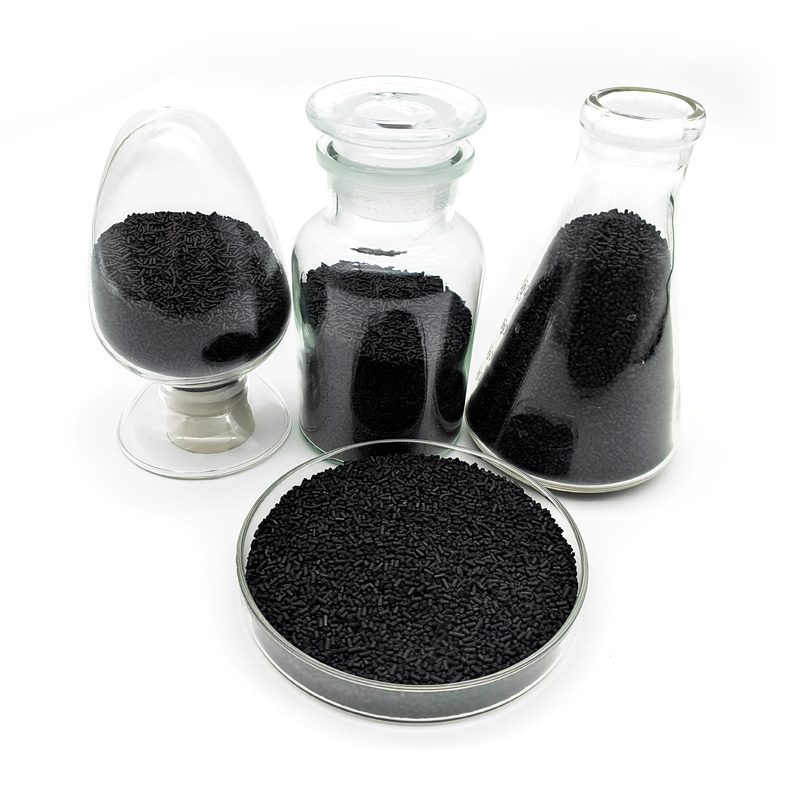
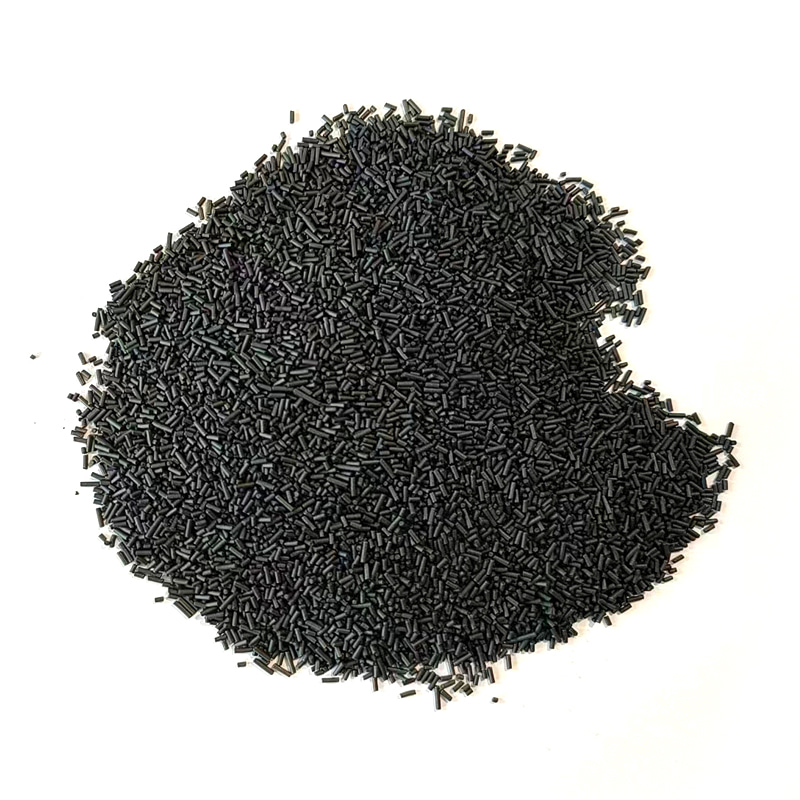
Carbon molecular sieve (CMS) is a specialized porous carbon adsorbent designed to separate oxygen and nitrogen from compressed air. It is the central working material in many pressure swing adsorption (PSA) nitrogen generators, where the selective adsorption of oxygen enables the production of nitrogen with adjustable purity, flow rate, and operating cost.
For industrial users, selecting the correct CMS grade is essential. The adsorbent influences nitrogen purity, production capacity, air consumption, energy efficiency, pressure stability, cycle performance, and the service life of the nitrogen generator. A high-quality carbon molecular sieve can improve the performance of an entire gas-generation system, while unsuitable or inconsistently manufactured material may cause excessive air consumption, unstable nitrogen purity, rapid powdering, and increased replacement costs.
Anhui Zhuoxu New Material Technology Co., Ltd. supplies CMS-240, CMS-260, CMS-280, and CMS-330 carbon molecular sieves for PSA nitrogen generators. These grades are designed for different combinations of nitrogen purity and production rate. The company combines porous-carbon manufacturing, continuous production, laboratory testing, nitrogen-generator performance verification, and technical cooperation to provide CMS products for industrial gas separation applications.
What Is Carbon Molecular Sieve?
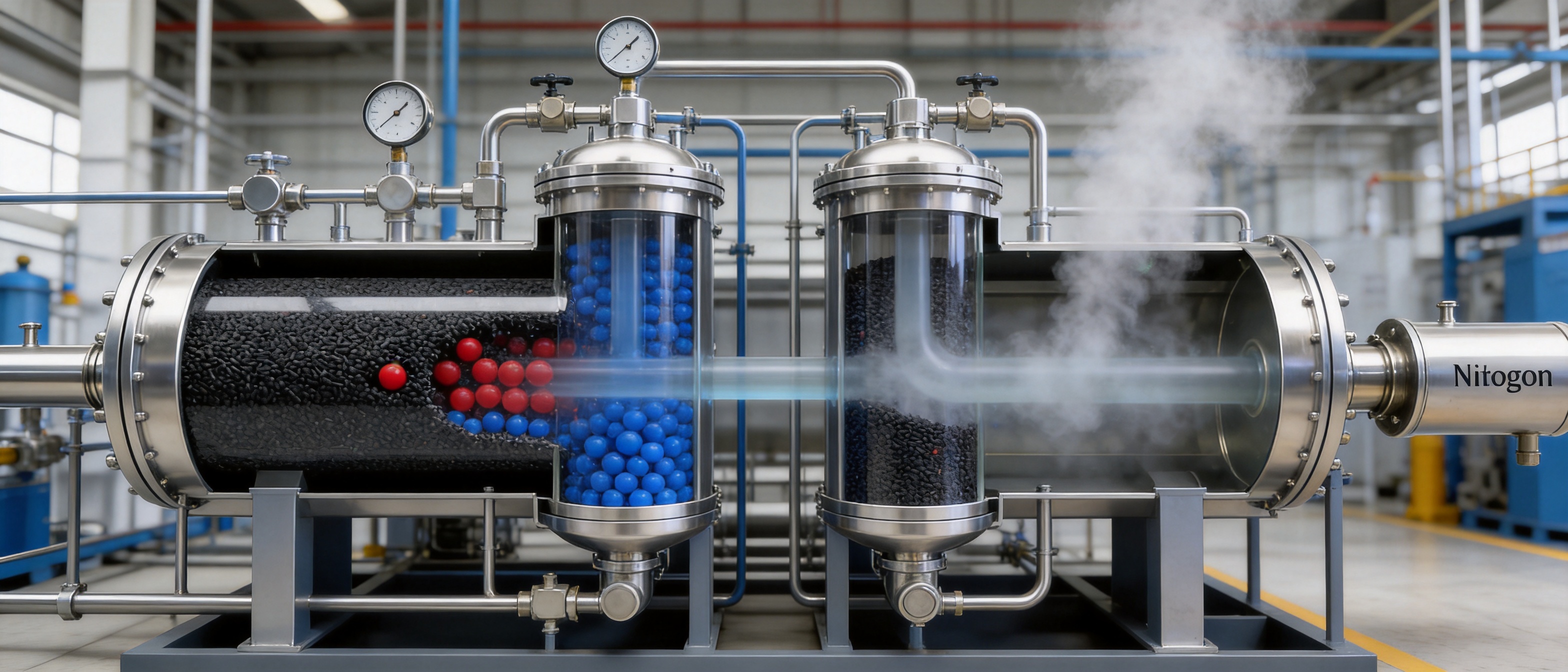
Carbon molecular sieve is a porous carbon material with a carefully controlled micropore structure. Its separation capability results from differences in the diffusion rates and adsorption behavior of oxygen and nitrogen molecules. In PSA nitrogen generation, oxygen molecules enter the micropores of the carbon molecular sieve more readily than nitrogen molecules. As a result, oxygen is preferentially retained by the adsorbent, while nitrogen passes through the adsorption tower as the product gas.
The effective pore size of CMS used for oxygen-nitrogen separation is generally within the approximate range of 0.28 to 0.38 nanometers. This pore-size range is sufficiently controlled to create a molecular diffusion difference between oxygen and nitrogen. The performance of the material does not depend only on total surface area. Pore-size distribution, pore accessibility, mechanical strength, bulk density, adsorption kinetics, surface chemistry, and resistance to repeated pressure cycling are all important.
In a typical PSA nitrogen generator, compressed and purified air enters one adsorption tower filled with carbon molecular sieve. Oxygen and other faster-diffusing components are adsorbed, while nitrogen exits as product gas. When the adsorbent approaches its adsorption capacity, the tower is depressurized and regenerated. A second tower then takes over the adsorption stage. By alternating between towers, the system can continuously produce nitrogen.
Carbon molecular sieve is therefore not simply a general activated carbon. It is an engineered adsorbent manufactured to deliver a specific gas-separation function. Its micropores must be controlled sufficiently to support selective oxygen adsorption while retaining the mechanical durability required for thousands of adsorption and regeneration cycles.
Why CMS Quality Matters in PSA Nitrogen Generators
The performance of a nitrogen generator depends on the relationship between the adsorbent, the process design, and the operating conditions. Even a well-designed PSA system may fail to reach its expected performance if the CMS has inconsistent particle size, excessive dust, weak mechanical strength, poor adsorption kinetics, or an unsuitable pore structure.
High-quality carbon molecular sieve helps provide stable nitrogen purity over extended operating periods. It can also reduce the amount of compressed air required for a given nitrogen output. Lower air consumption normally means lower compressor power consumption and reduced operating cost. In applications where nitrogen is produced continuously, even a modest improvement in the air-to-nitrogen ratio can create substantial annual savings.
CMS quality also affects equipment reliability. Excessive pulverization may generate fines that obstruct valves, filters, and gas passages. Uneven particle distribution can create channeling inside the adsorption tower, reducing contact between the air and the adsorbent. Weak particles may break during loading or pressure equalization, changing the bed pressure drop and reducing the effective working volume of the tower.
For these reasons, users should evaluate carbon molecular sieve according to the complete application rather than selecting a product only by its model number. Nitrogen purity, product flow rate, operating pressure, cycle time, pretreatment quality, temperature, tower configuration, and regeneration method should all be considered before final selection.
Core Advantages of Carbon Molecular Sieve
Selective Oxygen-Nitrogen Separation
The primary advantage of CMS is its selective adsorption behavior. Oxygen diffuses into the micropores more rapidly than nitrogen under appropriate PSA conditions. This difference allows nitrogen to be recovered as the product gas without cryogenic separation or complex distillation equipment.
The uniform micropore structure of a properly manufactured carbon molecular sieve supports fast mass transfer. Faster adsorption and desorption kinetics can help the generator complete its cycles efficiently. The result is a compact system capable of producing nitrogen continuously at a comparatively low investment cost.
Strong Adsorption Capacity
Carbon molecular sieve maintains useful adsorption capacity even when the concentration of a gas component is relatively low. It can also retain a significant adsorption capacity at elevated temperatures compared with some alternative adsorbents. This characteristic is valuable in industrial environments where temperature control is not perfect or where the compressed-air system experiences changing operating conditions.
Nevertheless, adsorption capacity is affected by temperature. Adsorption is generally exothermic, so the temperature of the CMS bed increases during adsorption. As the temperature rises, the effective adsorption capacity may decrease. This is why proper air cooling and stable operating conditions are necessary for achieving the best performance.
Fast Nitrogen Production
PSA nitrogen generators can begin producing nitrogen rapidly after startup. Unlike cryogenic systems, they do not require a long cooling-down period or a complex low-temperature separation process. Carbon molecular sieve enables a cyclic process that can respond relatively quickly to changing demand.
The nitrogen flow rate and purity can usually be adjusted according to the application. A lower nitrogen purity target generally allows a higher gas-production rate and lower air consumption per unit of nitrogen. A higher purity target normally requires a lower production rate, longer or more carefully controlled adsorption stages, or a larger amount of CMS.
Cost-Effective Operation
Compared with many large-scale nitrogen production methods, PSA technology can offer lower equipment investment, fast startup, and practical operating flexibility. It is suitable for facilities that require nitrogen on site and want to avoid the logistics of storing or transporting liquid nitrogen and high-pressure nitrogen cylinders.
The cost advantages of PSA nitrogen generation are closely connected to CMS performance. An adsorbent with a favorable air-to-nitrogen ratio can reduce compressor requirements. A durable adsorbent can extend replacement intervals. Consistent material can also reduce the need for frequent process adjustments and unplanned maintenance.
Wide Industrial Applicability
Carbon molecular sieve is used in nitrogen generation systems serving many industries. Typical applications include chemical manufacturing, oil and gas processing, electronics production, food packaging, coal processing, pharmaceuticals, cable manufacturing, metal heat treatment, transportation, and storage.
Nitrogen may be used for inerting, blanketing, purging, oxidation prevention, fire and explosion-risk reduction, product preservation, and process protection. The required purity can vary greatly. Food packaging may need a controlled oxygen level, while electronics or pharmaceutical processes may require very high-purity nitrogen. The flexibility of CMS-based PSA systems allows the generator to be matched to the actual requirement.
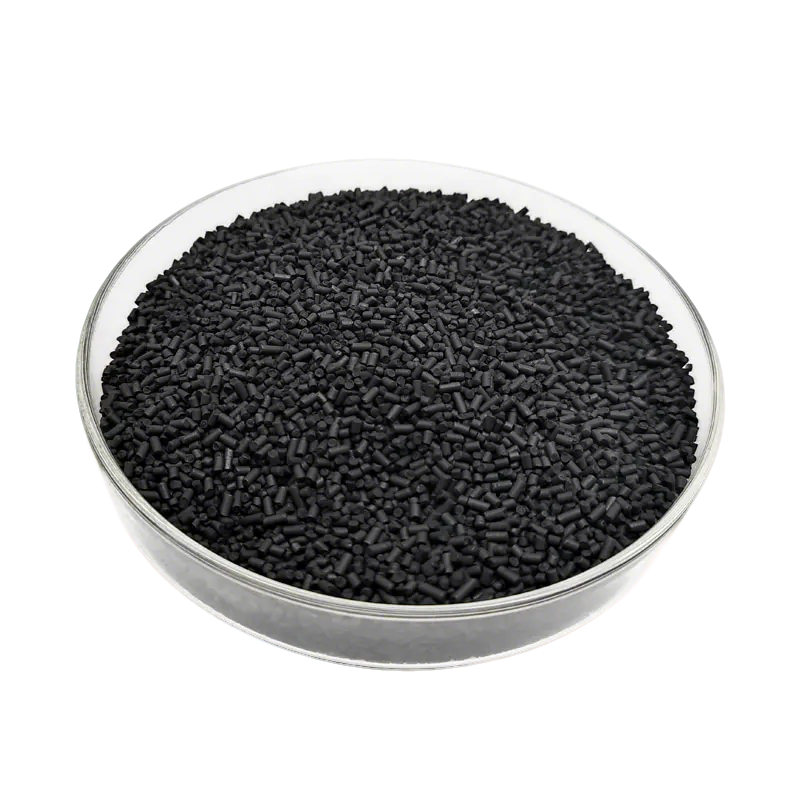
Carbon Molecular Sieve (CMS)
Product Range: CMS-240, CMS-260, CMS-280, and CMS-330
Anhui Zhuoxu New Material Technology Co., Ltd. provides four principal grades: CMS-240, CMS-260, CMS-280, and CMS-330. The numerical designation identifies a product grade within the company’s carbon molecular sieve range. In practical selection, higher grades are associated with improved nitrogen-generation performance under the stated test conditions, although the correct grade must always be confirmed against the complete generator design.
The supplied performance data use an adsorption pressure of approximately 0.75 to 0.80 MPa. The listed values show nitrogen purity, nitrogen production rate, and air-to-nitrogen ratio for each grade. These figures are reference values rather than universal guarantees because actual performance may change with compressor conditions, pretreatment, tower size, cycle design, ambient temperature, product-gas specifications, and measurement methods.
| CMS Grade | Nitrogen Purity | Reference Nitrogen Production Rate | Reference Air-to-Nitrogen Ratio |
|---|---|---|---|
| CMS-240 | 99.999% | 70 Nm³/h·t | 6.5 |
| CMS-240 | 99.99% | 110 Nm³/h·t | 4.6 |
| CMS-240 | 99.9% | 165 Nm³/h·t | 3.6 |
| CMS-240 | 99.5% | 240 Nm³/h·t | 2.6 |
| CMS-240 | 99% | 290 Nm³/h·t | 2.3 |
| CMS-260 | 99.999% | 80 Nm³/h·t | 6.4 |
| CMS-260 | 99.99% | 120 Nm³/h·t | 4.5 |
| CMS-260 | 99.9% | 175 Nm³/h·t | 3.5 |
| CMS-260 | 99.5% | 260 Nm³/h·t | 2.5 |
| CMS-260 | 99% | 305 Nm³/h·t | 2.2 |
| CMS-280 | 99.999% | 90 Nm³/h·t | 6.2 |
| CMS-280 | 99.99% | 135 Nm³/h·t | 4.2 |
| CMS-280 | 99.9% | 195 Nm³/h·t | 3.3 |
| CMS-280 | 99.5% | 280 Nm³/h·t | 2.3 |
| CMS-280 | 99% | 335 Nm³/h·t | 1.9 |
| CMS-330 | 99.999% | 100 Nm³/h·t | 6.2 |
| CMS-330 | 99.99% | 170 Nm³/h·t | 4.0 |
| CMS-330 | 99.9% | 250 Nm³/h·t | 3.3 |
| CMS-330 | 99.5% | 330 Nm³/h·t | 2.3 |
| CMS-330 | 99% | 360 Nm³/h·t | 1.9 |
The table demonstrates an important principle in PSA nitrogen generation: production rate normally increases as the required nitrogen purity decreases. For example, CMS-330 has a reference production rate of 100 Nm³/h·t at 99.999% nitrogen purity and 360 Nm³/h·t at 99% purity. The air-to-nitrogen ratio also decreases as the purity requirement becomes less demanding.
CMS-240 may be suitable for applications requiring moderate performance and a cost-conscious configuration. CMS-260 offers a higher reference output across the listed purity levels. CMS-280 provides a further performance increase and is intended for demanding industrial nitrogen-generation requirements. CMS-330 is the highest listed grade and provides the strongest reference performance in the supplied data.
Actual selection should not be based solely on the highest numerical grade. An oversized or unnecessarily high-performance CMS may increase the initial material cost without creating a corresponding benefit if the application requires only moderate nitrogen purity. Conversely, using an unsuitable lower grade may increase air consumption and prevent the generator from meeting its target. A technical evaluation should balance purity, flow, energy consumption, vessel dimensions, cycle design, and total operating cost.
Manufacturing Strengths and Process Control
Integrated Porous-Carbon Material Supply
Anhui Zhuoxu New Material Technology Co., Ltd. is a wholly owned subsidiary of Huiya Group and operates in Xuancheng, Anhui Province, China. The company has an integrated industrial focus covering porous carbon materials and nitrogen equipment services. This structure supports closer control over the material supply chain and allows product development to be connected with real PSA application requirements.
The company reports an annual production capacity of 4,000 tons of porous carbon materials and 30,000 cubic meters of floral foam. Its Phase II porous-carbon project, planned at 3,000 tons, is scheduled to begin operation in 2026. The project is intended to support applications including silicon-carbon anode materials for new-energy batteries and porous carbon products for PSA pressure swing adsorption.
Control of key raw materials can help reduce variation between production batches. It may also reduce dependence on multiple outside intermediaries, improve planning, and support a more stable supply for wholesale and custom orders. For industrial users, supply continuity is especially important because changing the CMS grade or batch without validation may affect the performance of a nitrogen generator.
Resin-Based Porous Carbon Technology
The company’s Resin-Based Porous Carbon, or RHC, technology uses polymer resin as a precursor. Through high-temperature carbonization, the precursor is converted into a stable hard-carbon structure. This approach is designed to provide control over the resulting porous framework and is also relevant to applications such as sodium-ion batteries and supercapacitors.
For carbon molecular sieve production, the underlying control of carbon structure is important because gas-separation performance depends on the development of suitable micropores. A controlled precursor and carbonization process can support repeatability in pore formation, surface chemistry, and mechanical properties. The final CMS still requires additional shaping, activation, grading, and performance testing, but a consistent carbon base provides an important foundation.
Specialized Formulation and Material Development
The production system uses a specialized base material developed for carbon molecular sieve applications. According to the supplied company information, this proprietary carbon molecular sieve material can increase the amount of finished CMS obtained from a given quantity of new carbon material. Improved material utilization can reduce production cost and allow more competitive supply while maintaining attention to performance.
Material formulation must be balanced carefully. A formulation that increases yield but weakens the particles would not be suitable for PSA use. The objective is to create a product with an appropriate combination of micropore structure, adsorption kinetics, crush strength, attrition resistance, particle-size consistency, and stable gas-separation performance.
Continuous Production Equipment
Continuous production equipment is used to reduce the number of manual production steps and lower the influence of individual operator differences. Automation and process continuity can improve consistency in mixing, forming, thermal treatment, and material handling. They can also reduce direct labor cost and support more stable production scheduling.
For CMS, continuous manufacturing is valuable because the material must meet narrow performance requirements. Variations in temperature, residence time, moisture, activation conditions, or forming pressure can change the pore structure and adsorption behavior. A controlled continuous process helps establish repeatable operating windows and makes it easier to identify deviations.
Dry-Climate Production Conditions
The company’s northern production strategy emphasizes locations and conditions with relatively low atmospheric humidity and lower moisture content in the air. Moisture control matters because water can occupy adsorption sites, affect drying requirements, influence pore accessibility, and increase the energy required for thermal processing.
Although air humidity is only one part of process control, a comparatively dry production environment can simplify moisture management. It must be combined with controlled drying, sealed storage, appropriate packaging, and careful transport. Carbon molecular sieve should be protected from moisture before installation because water adsorption can reduce initial performance and lengthen the time required for the bed to stabilize.
Research and Development Cooperation
Anhui Zhuoxu New Material Technology Co., Ltd. cooperates with Jinan Shengquan Group and China University of Mining and Technology in research and development. The stated focus includes the study and control of carbon molecular sieve and carbon-material performance, as well as continuous product improvement.
Research cooperation can contribute to better understanding of pore development, carbonization behavior, particle formation, adsorption kinetics, and durability under repeated PSA cycles. It can also support the development of products for different nitrogen purity ranges and generator configurations.
Factory Testing in a Nitrogen Generator
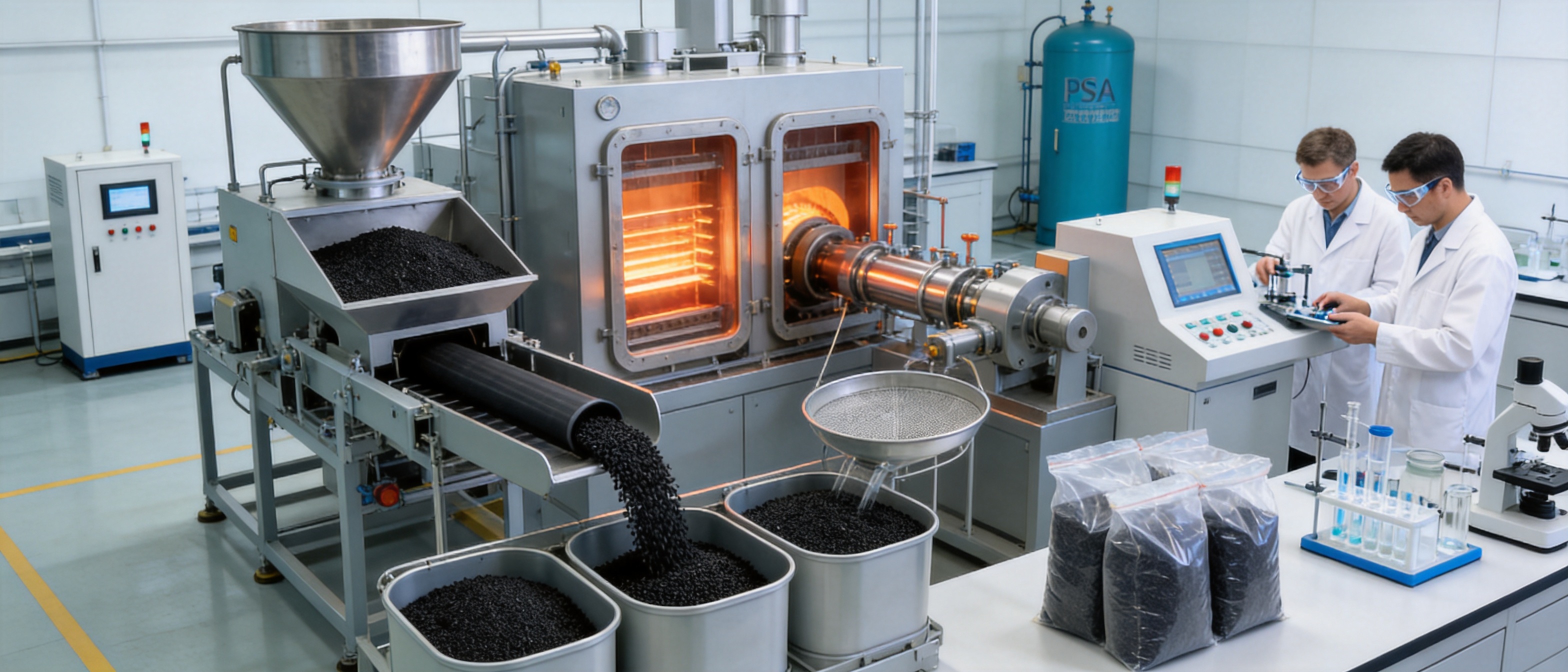
One of the most important manufacturing strengths is the requirement that the CMS performance be tested in a nitrogen generator before shipment. Laboratory indicators are useful, but actual PSA validation provides a more application-oriented assessment. Testing in a generator can reveal whether the material delivers the expected relationship between nitrogen purity, production rate, air consumption, and cycle stability.
Only products that pass the stated test are released from the factory. This approach helps connect material quality with end-use performance. It is also valuable for customers who need a predictable adsorbent for new equipment, replacement filling, or large-scale procurement.
Protection of Carbon Molecular Sieve During Operation
Compressed-Air Pretreatment
Effective pretreatment is essential for protecting CMS. Oil vapor, liquid water, suspended particles, and organic contaminants can enter the adsorption tower if the compressed-air system is not properly designed. Oil vapor is particularly harmful because it may block the micropores and reduce the contact area available for oxygen adsorption.
Air compression increases gas temperature and may carry oil vapor from an oil-lubricated compressor. The compressed air should therefore pass through cooling, oil-removal, filtration, and drying equipment before entering the CMS towers. The supplied operating guidance recommends a dew point below approximately -40°C and an oil content below approximately 0.3 ppm, together with control of organic contaminants. These values should be confirmed against the specific nitrogen-generator design and the requirements of the selected CMS grade.
Common pretreatment equipment includes aftercoolers, water separators, coalescing filters, particulate filters, activated-carbon oil-removal filters, and refrigerated or desiccant dryers. Each component should be sized for the maximum air flow and maintained according to the manufacturer’s instructions. A failed coalescing filter or saturated dryer can damage the CMS quickly, even when the adsorbent itself is high quality.
Control of Nitrogen Purity and Flow
Nitrogen purity and production rate are interconnected. If more nitrogen is required from the same quantity of CMS, the product purity may decline. If very high purity is required, the system may need to reduce product flow, extend the adsorption stage, increase the CMS filling quantity, or use a more advanced cycle.
Operators should define the actual oxygen concentration permitted in the final nitrogen rather than relying only on a general purity label. Different applications have different risk levels. Inerting a storage tank, protecting food packaging, heat-treating metal, and supplying an electronics process may require different specifications for oxygen, moisture, particles, and other trace components.
Pressure Equalization
Pressure equalization is a process step in which gas from a completed adsorption tower is transferred to another tower that is being regenerated or repressurized. Equalization may occur from the top, bottom, or both directions depending on the generator design. The purpose is to recover useful gas energy, improve process efficiency, and reduce the pressure shock experienced by the adsorbent.
The supplied guidance suggests a general pressure-equalization time of approximately one to three seconds. The correct value depends on tower volume, valve response, pressure difference, bed arrangement, and cycle strategy. An equalization time that is too short may waste available energy or create abrupt pressure changes. An equalization time that is too long may reduce productive adsorption time and lower output.
Careful equalization can help prevent excessive CMS pulverization. Mechanical stress is influenced by rapid pressure changes, gas velocity, particle strength, tower loading, and support-screen design. The complete cycle should therefore be optimized rather than adjusting equalization in isolation.
Operating Pressure
Higher adsorption pressure generally increases the amount of gas that can be adsorbed, which can benefit nitrogen production. However, higher pressure also increases compressor power consumption and places greater demands on valves, vessels, seals, and piping. The best pressure is therefore a compromise between adsorption capacity and total energy consumption.
The recommended general adsorption pressure for an atmospheric-pressure regeneration process is approximately 0.6 to 0.8 MPa, with the supplied product data based on about 0.75 to 0.80 MPa. Actual operating pressure should be selected by the equipment designer. Safety factors, local regulations, compressor performance, pressure loss, and the required product flow must all be considered.
Operating Temperature
Lower adsorption temperature generally benefits gas adsorption because adsorption releases heat. As the CMS bed becomes warmer, its working adsorption capacity may decrease. The supplied operating guidance indicates that an ambient temperature at or below approximately 15°C is favorable for nitrogen-generator performance, although the practical operating range depends on the equipment and site conditions.
In real industrial environments, the most important objective is usually to keep the compressed air and CMS bed within a stable, controlled temperature range. Aftercoolers should remove compression heat efficiently, and the generator should be protected from direct sunlight or excessive heat sources. Temperature sensors can help identify abnormal conditions and support preventive maintenance.
Advantages Over Inconsistent or Lower-Quality Alternatives
CMS products from different suppliers may appear similar but perform differently in actual PSA equipment. The major competitive advantages of a controlled product include stable pore structure, repeatable adsorption kinetics, strong particle durability, consistent sizing, lower dust generation, and validated generator performance.
Uncontrolled raw materials may cause batch-to-batch variations in oxygen adsorption and nitrogen recovery. Inconsistent activation may produce particles with different micropore volumes. Poor forming or handling may generate excessive fines. Inadequate drying may leave moisture in the product, reducing its initial capacity. These problems can be difficult to identify through appearance alone.
An integrated manufacturing approach provides several advantages. First, material development and production can be coordinated rather than relying entirely on purchased intermediates. Second, continuous equipment can reduce manual variation. Third, dry production and controlled storage can help manage moisture. Fourth, research cooperation can support technical improvement. Fifth, factory testing in a nitrogen generator links the product to the actual separation process.
The company reports that approximately 90% of its CMS output reaches CMS-280 or above. This indicates a high proportion of higher-performance grades within its production range. For customers requiring high nitrogen output or improved air utilization, this may offer a supply advantage compared with manufacturers whose production is concentrated in lower-performance grades.
Cost competitiveness is also supported by raw-material cooperation and reduced intermediary margins. However, price should always be evaluated together with total operating cost. A lower purchase price may not be economical if the material consumes more compressed air, produces unstable purity, or requires early replacement. The better comparison is the cost per unit of usable nitrogen over the expected service life.
Applications Across Industrial Sectors
Chemical Industry
Nitrogen is used in chemical plants for vessel blanketing, pipeline purging, oxidation control, and protection of reactive materials. PSA nitrogen can provide an on-site supply that is adjusted to the plant’s demand. CMS selection depends on whether the process requires moderate-purity inert gas or very high-purity nitrogen.
Oil and Gas
Oil and gas facilities use nitrogen for tank blanketing, pipeline displacement, pressure maintenance, purging, and safety-related inerting. Reliability is especially important because interruptions may affect process safety and production continuity. Pretreatment is essential in environments where hydrocarbons, oil mist, and organic vapors may be present.
Electronics Manufacturing
Electronics processes may use nitrogen to reduce oxidation, protect sensitive components, and create a controlled manufacturing atmosphere. These applications often require high purity and stable supply. CMS grades capable of supporting 99.99% or 99.999% nitrogen, combined with suitable polishing and monitoring equipment, may be considered for such duties.
Food Packaging
Nitrogen is used in modified-atmosphere packaging to displace oxygen and help protect food quality. The target purity depends on the product, packaging system, and applicable food-safety requirements. PSA systems can provide nitrogen directly at the packaging facility, reducing reliance on delivered cylinders.
Pharmaceutical Production
Pharmaceutical manufacturing uses nitrogen for inerting, drying, solvent protection, packaging, and controlled atmospheres. The CMS generator must be integrated with appropriate filtration, monitoring, validation, and quality-control systems. The adsorbent itself is only one part of the complete gas-quality chain.
Metal Heat Treatment
Nitrogen atmospheres can reduce oxidation during heat treatment and help create consistent process conditions. Flow and purity requirements vary according to the furnace type, material, temperature, and production schedule. A PSA system can be configured for continuous operation and adjusted to changing furnace demand.
Cable, Transportation, and Storage
Nitrogen may be used in cable manufacturing, tire and transportation applications, warehouse storage, and the protection of moisture- or oxygen-sensitive products. The ability to generate nitrogen on demand is useful where deliveries are inconvenient or where storage capacity is limited.
How to Select the Appropriate CMS Grade
Define the Required Nitrogen Purity
The first step is to identify the maximum oxygen concentration permitted in the product nitrogen. A requirement of 99% nitrogen is very different from a requirement of 99.999% nitrogen. Higher purity typically reduces the available product flow from a fixed amount of CMS and increases the amount of compressed air needed per unit of nitrogen.
Calculate the Required Flow
Users should determine the normal, peak, and future nitrogen demand. Selecting a CMS grade based only on average flow may leave insufficient capacity during peak operation. At the same time, oversizing the system can increase capital expenditure and create inefficient cycling.
Review Compressor Capacity
The air-to-nitrogen ratio is a key selection factor. The compressor must supply enough air at the required pressure after accounting for filters, dryers, piping losses, valve losses, and regeneration requirements. A CMS grade with higher production performance may reduce the required compressor capacity for the same nitrogen output.
Consider Cycle and Tower Design
CMS performance depends on the complete PSA cycle. Adsorption time, depressurization, pressure equalization, regeneration, repressurization, tower switching, and product-gas storage must be coordinated. A material tested under one cycle may not deliver identical results under another cycle.
Evaluate Site Conditions
Ambient temperature, humidity, altitude, compressor type, cooling-water availability, power cost, and maintenance capability affect the selection. Hot or humid sites may require additional air treatment and cooling. Facilities with high electricity costs should pay close attention to the air-to-nitrogen ratio and compressor efficiency.
Request Application-Based Validation
Before placing a large order, customers should request technical data, particle-size information, packaging details, recommended loading procedures, and relevant test results. Where possible, the product should be evaluated in the intended or equivalent nitrogen generator. This approach is more reliable than selecting a product from a general catalog description.
Installation, Storage, and Maintenance Recommendations
CMS should remain sealed until it is ready for loading. Packaging should protect the material from rain, high humidity, condensation, and contamination. Storage areas should be clean, dry, and well ventilated. Bags or containers that have been opened should not be left exposed for extended periods.
Before loading, the adsorption vessels should be inspected and cleaned. Screens, support layers, distributors, valves, and internal structures should be checked for damage or obstruction. The CMS should be loaded evenly and carefully to avoid excessive impact, segregation, or void formation.
After loading, the system should be commissioned gradually. Initial operation may require controlled purging and several cycles before stable purity is reached. The compressor, dryer, filters, oxygen analyzer, pressure sensors, and switching valves should all be checked during startup.
During operation, users should monitor nitrogen purity, product flow, adsorption pressure, regeneration pressure, pressure drop, dew point, oil content, and compressor condition. A gradual increase in oxygen concentration may indicate CMS aging, moisture contamination, oil contamination, channeling, valve leakage, or a change in cycle timing.
Maintenance should include regular inspection and replacement of coalescing and particulate filters, dryer servicing, oxygen-analyzer calibration, leak testing, valve maintenance, and verification of pressure sensors. Protecting the air pretreatment system is usually less expensive than replacing a contaminated CMS bed.
Quality Assurance and Supply Capability
Anhui Zhuoxu New Material Technology Co., Ltd. holds ISO 9001 certification and reports 21 core patents. These credentials indicate a structured approach to quality management and technical development. For customers purchasing CMS in bulk, a formal quality system can improve documentation, traceability, process control, and response to nonconformities.
The company supplies customers in China and exports to Asia, South America, the Middle East, and Southeast Asia. International supply requires attention to packaging, moisture protection, shipping conditions, customs documentation, batch identification, and technical communication. Consistent packaging is particularly important for CMS because exposure during transportation can affect performance before the product reaches the customer.
Wholesale and custom supply can be arranged according to nitrogen-generator requirements. Customers should provide the intended purity, production rate, adsorption pressure, generator model, CMS particle size, operating temperature, and expected service conditions. These details allow the supplier to recommend a grade more accurately and reduce the risk of an unsuitable selection.
Environmental and Economic Considerations
On-site PSA nitrogen generation can reduce the transportation and storage requirements associated with delivered nitrogen cylinders or liquid nitrogen. It may also improve supply independence and reduce the operational risks associated with delivery delays. The environmental benefit depends on the electricity source, compressor efficiency, nitrogen demand, and system utilization.
Efficient CMS can contribute to lower energy consumption by improving nitrogen recovery and reducing the air required for each unit of product gas. Longer adsorbent service life can reduce the frequency of material disposal and replacement. Proper pretreatment also protects the investment in CMS and prevents premature waste.
Total cost of ownership should include CMS purchase price, compressor electricity, dryer operation, filter replacement, maintenance, downtime, and adsorbent replacement. A product that performs consistently over a long period may be more economical than a cheaper material with higher air consumption or shorter service life.
Q&A: Carbon Molecular Sieve for PSA Nitrogen Generation
What is the main function of carbon molecular sieve?
Its main function is to selectively adsorb oxygen from compressed air more rapidly than nitrogen. This allows nitrogen to pass through the adsorption tower as product gas while oxygen is retained and later removed during regeneration.
What is the difference between CMS-240, CMS-260, CMS-280, and CMS-330?
They are different CMS performance grades. Under the supplied reference conditions, CMS-330 provides the highest listed nitrogen production rates, followed by CMS-280, CMS-260, and CMS-240. The correct choice depends on purity, flow, pressure, cycle design, and air-compressor capacity.
Does a higher CMS grade always provide the lowest operating cost?
Not necessarily. A higher grade may provide higher output or improved air utilization, but the best economic choice depends on the application. If the required purity and flow are modest, a lower grade may meet the duty at a lower material cost. A total-cost comparison should include power consumption and service life.
What nitrogen purity can these products support?
The supplied reference data include nitrogen purity levels from 99% to 99.999%, depending on the CMS grade and operating conditions. Actual purity depends on the PSA cycle, air pretreatment, tower design, pressure, temperature, and product flow.
Why is compressed-air pretreatment important?
Oil, water, organic vapors, and particles can block CMS micropores, reduce adsorption capacity, increase pressure drop, and shorten service life. Cooling, filtration, oil removal, and drying are essential before compressed air enters the adsorption towers.
What dew point and oil content are recommended?
The supplied guidance recommends a dew point below approximately -40°C and oil content below approximately 0.3 ppm, together with control of organic contaminants. The final specification should be confirmed with the equipment designer and the CMS supplier.
How long can carbon molecular sieve last?
Service life depends on air quality, pressure cycling, temperature, particle strength, tower design, and maintenance. Properly protected CMS can operate for an extended period, while oil or liquid-water contamination may cause rapid performance loss. Actual replacement intervals should be determined through operating data and purity trends.
Can CMS be used in any nitrogen generator?
CMS should be matched to the generator’s tower dimensions, particle size, pressure range, cycle sequence, and required performance. A product suitable for one system may not provide identical results in another. Application validation is recommended before changing grades or suppliers.
Why is pressure equalization used?
Pressure equalization recovers gas energy between adsorption towers and reduces abrupt pressure changes. It can improve efficiency and help reduce mechanical stress on the adsorbent. The appropriate equalization time depends on the design and is commonly optimized within a short interval.
How should CMS be stored?
It should be stored in sealed, moisture-resistant packaging in a dry, clean location. The material should remain sealed until loading and should be protected from rain, condensation, high humidity, oil vapor, and contamination.
What information should a buyer provide when requesting a quotation?
The buyer should provide the required nitrogen purity, nitrogen flow, operating pressure, compressor conditions, ambient temperature, generator model, adsorption-tower dimensions, CMS particle size, delivery location, packaging requirements, and expected annual quantity.
Conclusion
Carbon molecular sieve is the key separation material in PSA nitrogen-generation systems. Its controlled micropore structure enables oxygen-nitrogen separation, while its adsorption capacity, kinetic performance, mechanical strength, and resistance to repeated cycling determine the practical performance of the complete generator.
CMS-240, CMS-260, CMS-280, and CMS-330 provide a range of options for different combinations of nitrogen purity and production rate. The supplied reference data show a clear relationship between purity and output: lower purity allows higher production, while very high purity requires greater adsorbent performance and more compressed air.
Anhui Zhuoxu New Material Technology Co., Ltd. differentiates its CMS supply through integrated porous-carbon development, resin-based porous-carbon technology, specialized material formulation, continuous production equipment, humidity-conscious manufacturing, research cooperation, ISO 9001 quality management, and testing in nitrogen generators before shipment. These strengths are intended to improve consistency, supply stability, product performance, and total operating value.
For best results, CMS selection must be combined with excellent compressed-air pretreatment, suitable pressure and temperature control, optimized pressure equalization, correct tower loading, and regular system maintenance. When the adsorbent and PSA equipment are designed as a coordinated system, carbon molecular sieve can provide reliable, economical, and flexible nitrogen generation for a wide range of industrial applications.
References
1. Ruthven, D. M., Adsorption and Adsorption Processes, principles of gas-solid adsorption and industrial separation.
2. Yang, R. T., Gas Separation by Adsorption Processes, fundamentals of adsorbent selectivity, pressure swing adsorption, and process design.
3. International Organization for Standardization, ISO 9001, Quality Management Systems—Requirements.
4. Industrial PSA nitrogen-generation design principles, including compressed-air pretreatment, adsorption-cycle control, pressure equalization, and regeneration.
5. Technical product information for CMS-240, CMS-260, CMS-280, and CMS-330 carbon molecular sieves supplied for PSA nitrogen generators.
6. Technical information concerning Resin-Based Porous Carbon technology, porous-carbon manufacturing, and carbon molecular sieve performance testing.
Product: Carbon Molecular Sieve (CMS)



 E-mail
anhuilisa@126.com
 Phone
+86 18603224420
 Address
No. 26 Kunshan Road, Xuanzhou Economic Development Zone, Liqiao Town, Xuanzhou District, Xuancheng City, Anhui Province, P.R.China
Copyright Anhui Zhuoxu New Material Technology Co., Ltd. All rights reserved.
 Carbon Molecular Sieve Manufacturer Carbon Molecular Sieve Supplier