
 English
 中文简体
 русский
 Français
 Español
 عربى
 CONTACT US


Carbon Molecular Sieve for High-Efficiency PSA Nitrogen Generation
2026-10-09
Content
- 1 Introduction
- 2 What Is Carbon Molecular Sieve?
- 3 How CMS Produces Nitrogen in a PSA System
- 4 Product Grades and Performance Options
- 5 Key Advantages of Carbon Molecular Sieve
- 6 Manufacturing Strengths and Process Advantages
- 7 Advantages Compared with Less-Optimized Adsorbents
- 8 Operating Conditions for Best Results
- 9 Industrial Applications
- 10 How to Select the Appropriate CMS Grade
- 11 Quality Assurance and Customer Support
- 12 Frequently Asked Questions
- 12.1 What is the main purpose of carbon molecular sieve?
- 12.2 What is the difference between CMS-240, CMS-260, CMS-280, and CMS-330?
- 12.3 Can CMS produce 99.999% nitrogen?
- 12.4 Why is air pretreatment important?
- 12.5 What feed-air conditions are recommended?
- 12.6 What adsorption pressure is commonly used?
- 12.7 Does higher nitrogen purity reduce production capacity?
- 12.8 How does temperature affect CMS performance?
- 12.9 How long does carbon molecular sieve last?
- 12.10 How should CMS be stored?
- 12.11 Can carbon molecular sieve be customized?
- 12.12 What testing should customers request?
- 12.13 Is CMS suitable for every nitrogen application?
- 13 Conclusion
- 14 References
- 15 Product: Carbon Molecular Sieve (CMS)
Introduction
Carbon molecular sieve, commonly abbreviated as CMS, is a specialized porous carbon adsorbent used primarily in pressure swing adsorption (PSA) nitrogen generators. Its principal function is to separate oxygen from nitrogen in compressed air by exploiting differences in molecular diffusion and adsorption behavior. When properly manufactured and operated, CMS allows nitrogen generators to produce a continuous supply of nitrogen with adjustable purity, stable performance, and comparatively low operating costs.
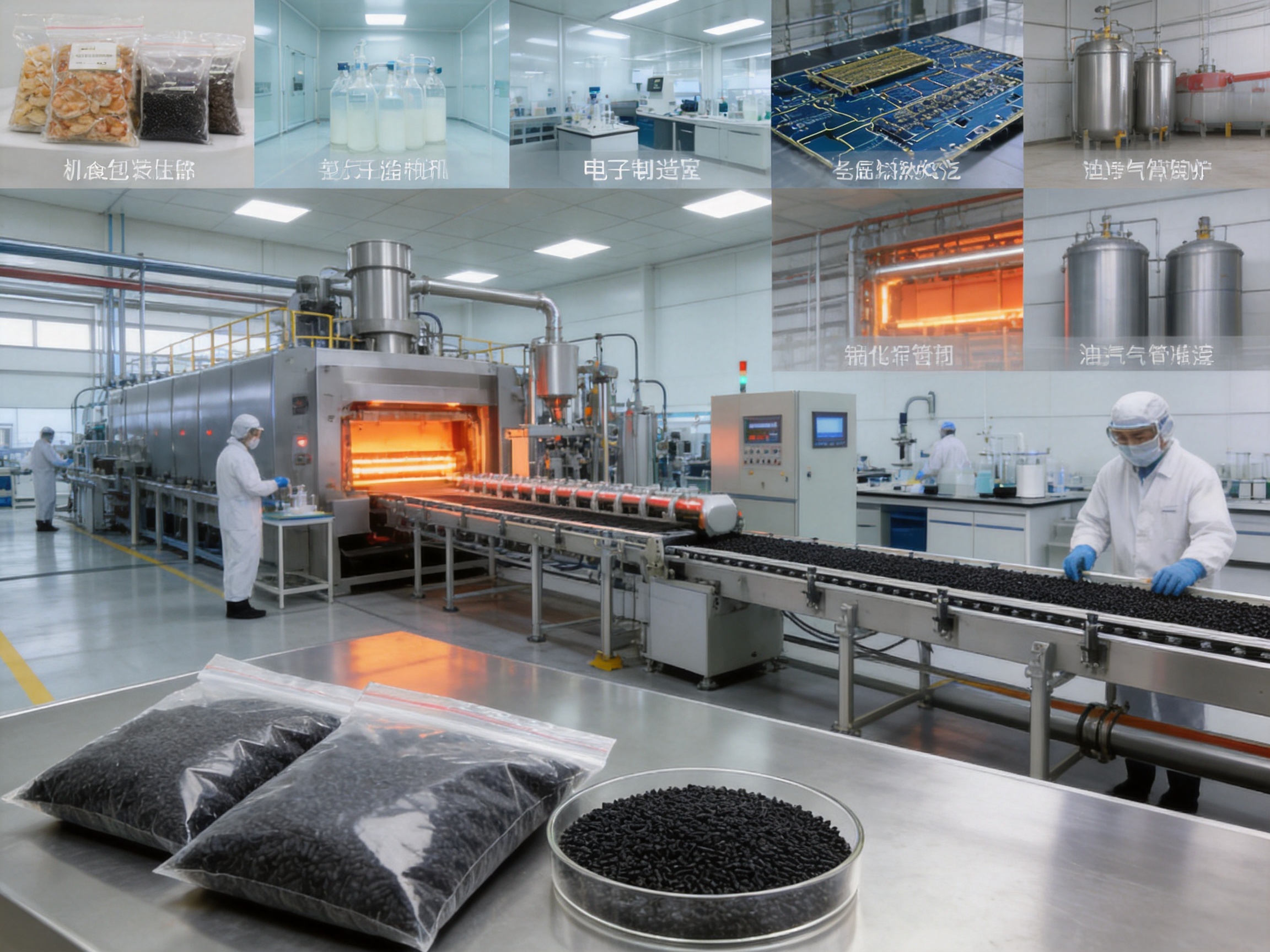
Modern industries require nitrogen for applications ranging from food packaging and pharmaceutical manufacturing to metal heat treatment, electronics production, chemical processing, oil and gas operations, and coal protection. In many of these applications, purchasing nitrogen cylinders or liquid nitrogen can create significant logistics, storage, and operating expenses. A PSA nitrogen generator equipped with high-quality carbon molecular sieve provides an efficient alternative by producing nitrogen on site and on demand.
Anhui Zhuoxu New Material Technology Co., Ltd. supplies CMS-240, CMS-260, CMS-280, and CMS-330 carbon molecular sieve products for PSA nitrogen generators. These product grades are designed to support different combinations of nitrogen purity, gas production, and air consumption. The manufacturer combines integrated porous-carbon production, continuous manufacturing equipment, product testing, research cooperation, and ISO 9001 quality management to provide CMS products for industrial gas separation.
This article explains the working principles, product grades, performance advantages, manufacturing strengths, operating requirements, applications, quality considerations, and selection criteria associated with carbon molecular sieve for nitrogen generation.
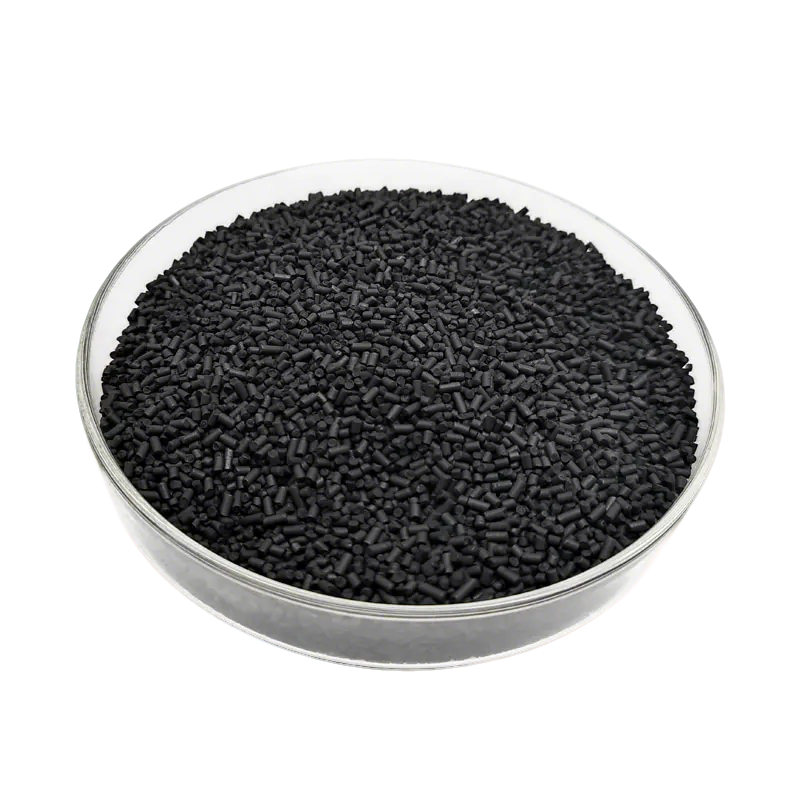
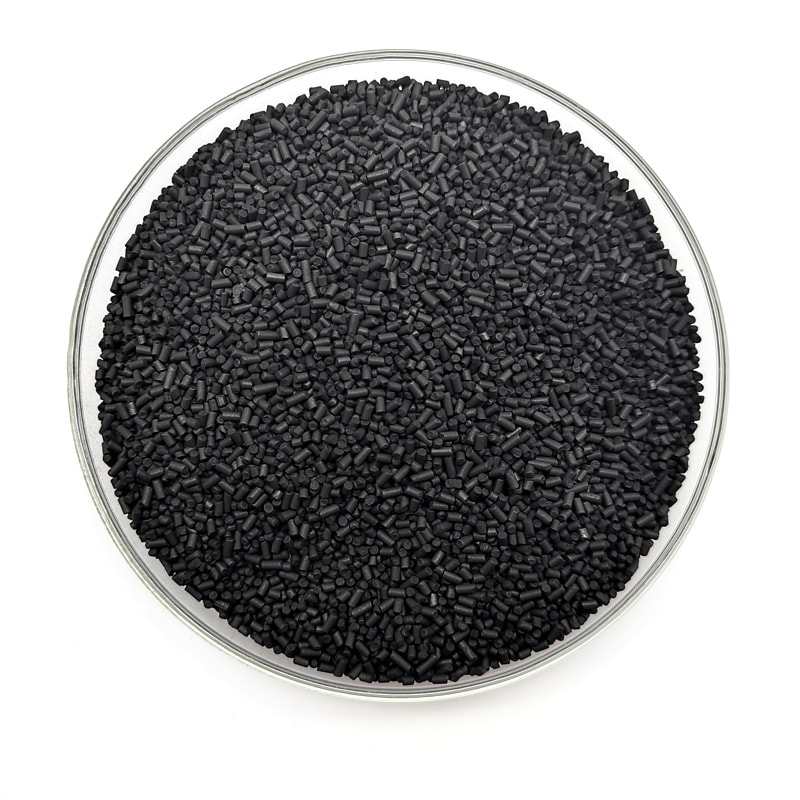
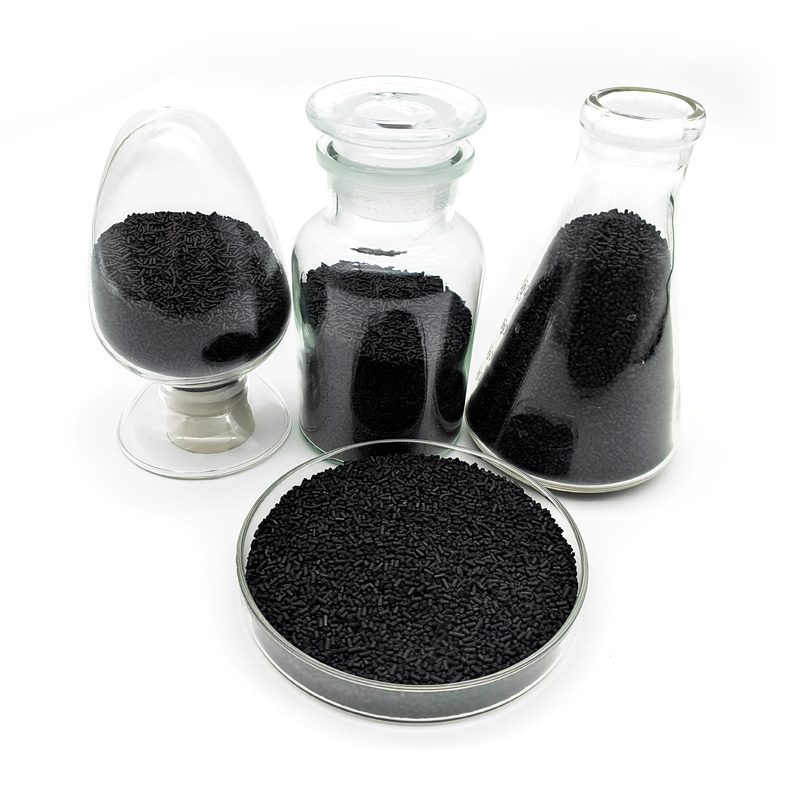
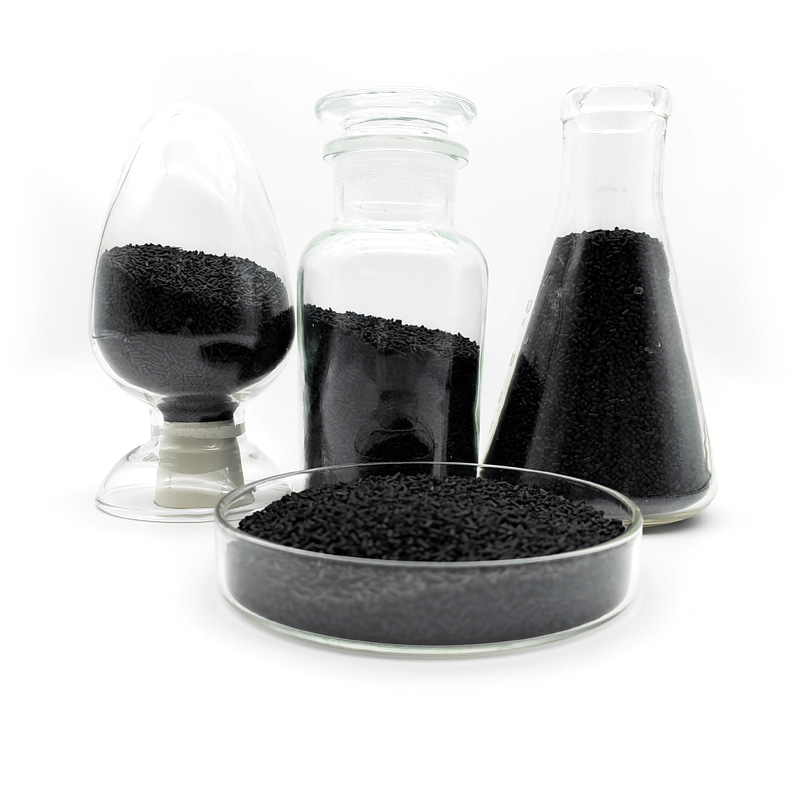
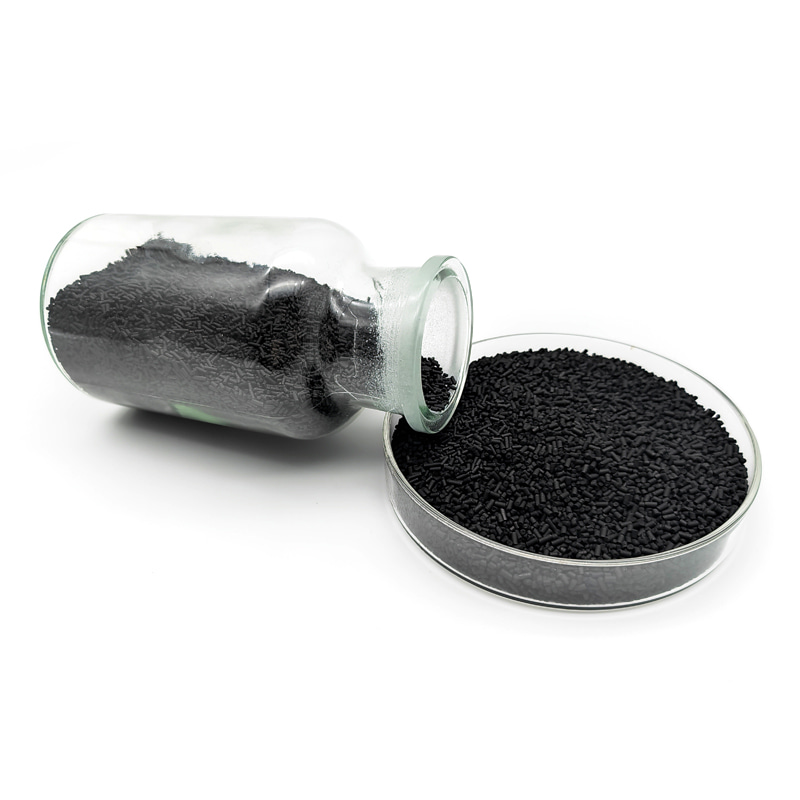
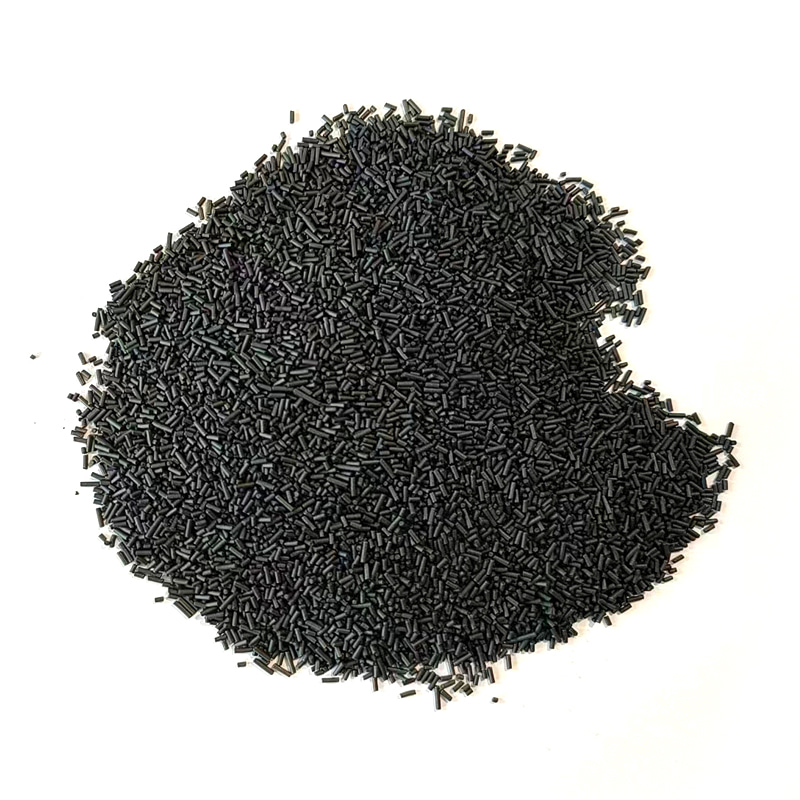
Carbon Molecular Sieve (CMS)
What Is Carbon Molecular Sieve?
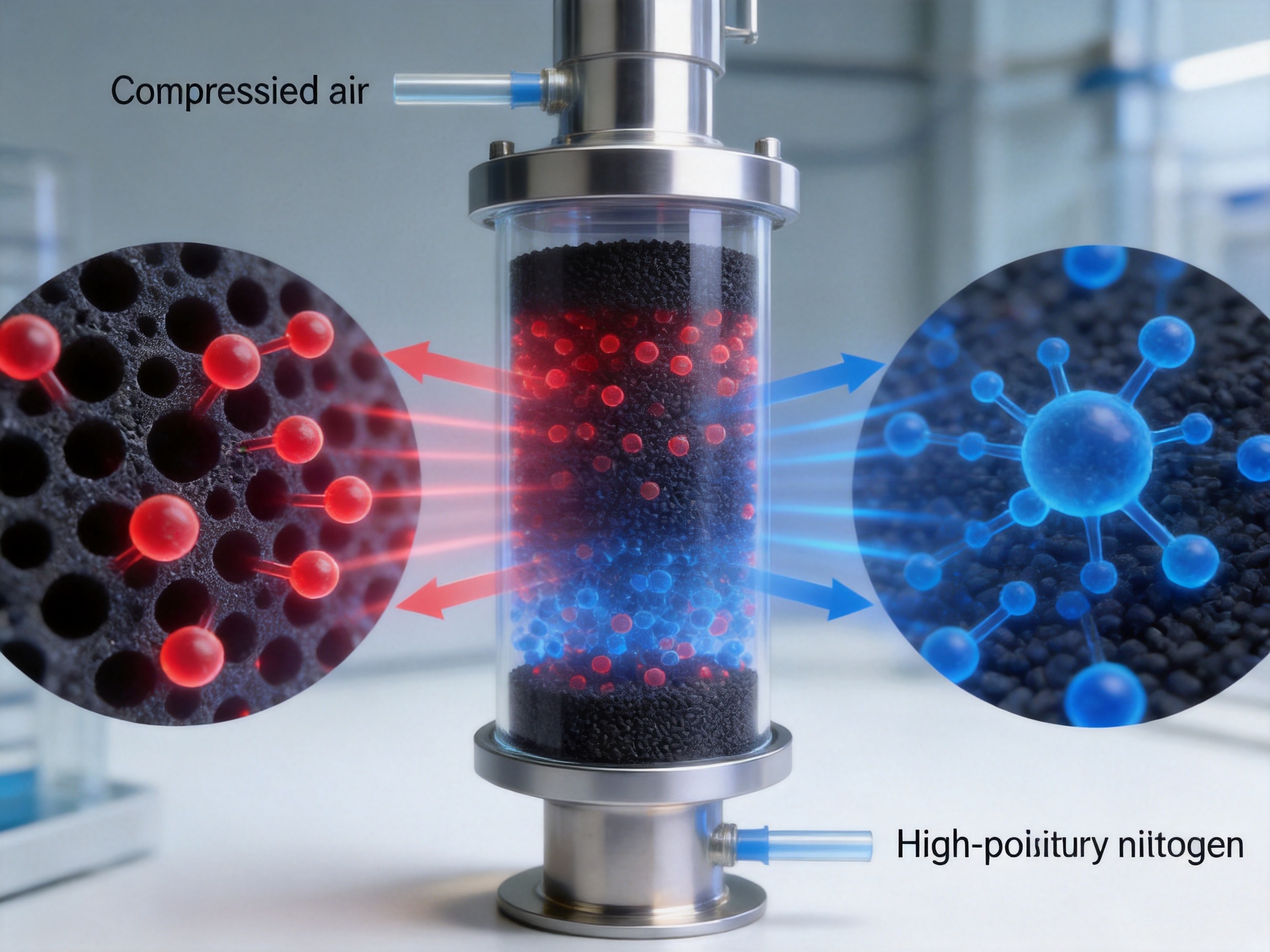
Carbon molecular sieve is a porous carbon material with carefully controlled micropores. These micropores are sufficiently small to create a molecular diffusion difference between oxygen and nitrogen. In PSA nitrogen generation, oxygen molecules enter and diffuse through the CMS pores more rapidly than nitrogen molecules. As a result, oxygen is preferentially adsorbed while nitrogen passes through the adsorption bed as the product gas.
The effectiveness of CMS depends on more than its general carbon content. Pore size distribution, micropore volume, mechanical strength, particle size, surface chemistry, bulk density, adsorption capacity, and resistance to attrition all influence the performance of a nitrogen generator. A CMS product with an unsuitable pore structure may provide poor nitrogen recovery, unstable purity, excessive air consumption, or rapid degradation.
The pore sizes of carbon molecular sieves used for oxygen-nitrogen separation are commonly controlled within an extremely narrow range, generally around 0.28 to 0.38 nanometers. This range is important because oxygen and nitrogen have different kinetic diameters and diffusion characteristics. The pore structure must be optimized so that oxygen can rapidly enter the micropores while nitrogen is retained less strongly and travels through the bed.
Unlike conventional activated carbon used for broad contaminant removal, CMS for PSA nitrogen generation is engineered for selective gas separation. Its performance is therefore determined by a combination of adsorption and diffusion kinetics. The material must adsorb oxygen rapidly during the pressurization and adsorption stage, release the adsorbed oxygen during regeneration, and withstand repeated pressure changes over many operating cycles.
How CMS Produces Nitrogen in a PSA System
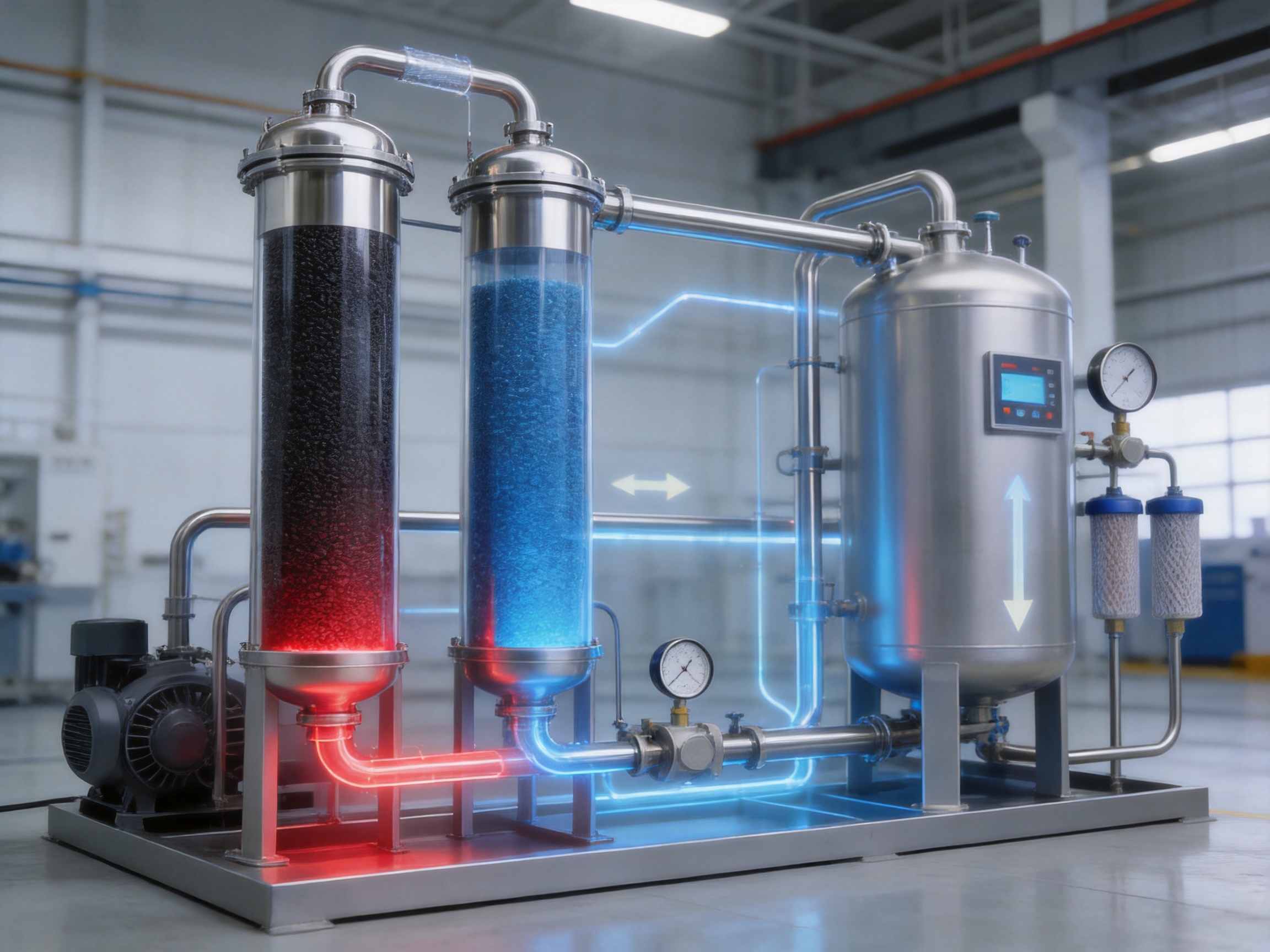
A typical PSA nitrogen generator contains two or more adsorption towers filled with carbon molecular sieve. While one tower produces nitrogen, another tower is regenerated. The towers alternate between adsorption and regeneration so that the generator can provide a continuous product flow.
Compressed-Air Pretreatment
Ambient air contains nitrogen, oxygen, water vapor, oil vapor, carbon dioxide, particles, and trace organic contaminants. Before entering the CMS adsorption towers, the air must be cooled, filtered, dried, and purified. An air compressor increases the pressure and temperature of the air, while oil-lubricated compressors may introduce oil vapor into the compressed-air stream.
Air pretreatment is essential because liquid water, oil, and organic contaminants can block CMS micropores. Once the pores are blocked, oxygen diffusion becomes slower and the nitrogen separation performance declines. Contamination can also increase pressure drop, cause channeling, reduce working capacity, and shorten the service life of the adsorbent.
For the operating conditions supplied with the product information, the recommended feed-air requirements include a pressure dew point below approximately -4°C and an oil content below 0.3 ppm. The feed air should also be free from harmful organic atmospheres and suspended contaminants. Actual requirements should be confirmed according to the nitrogen generator design, compressor type, ambient conditions, and applicable engineering standards.
Adsorption Stage
During adsorption, clean compressed air enters one CMS tower at a controlled pressure, generally within the range of 0.75 to 0.80 MPa for the listed performance data. Oxygen is selectively adsorbed by the carbon molecular sieve. Nitrogen, which is less readily adsorbed under the selected conditions, passes through the bed and is collected as product gas.
The nitrogen purity and flow rate depend on the CMS grade, adsorption time, operating pressure, feed-air quality, temperature, tower dimensions, and PSA cycle. Higher nitrogen purity normally requires a lower product flow rate because more oxygen must be removed from the product stream. Conversely, increasing the product flow rate generally reduces nitrogen purity and may increase the nitrogen-to-air consumption ratio.
Regeneration Stage
After a period of adsorption, the CMS in the active tower approaches its working adsorption capacity. The tower must then be depressurized so that the adsorbed oxygen can be released. This process is called regeneration. In a pressure swing adsorption system, regeneration is achieved through pressure reduction rather than by heating the adsorbent.
At lower pressure, the equilibrium loading of oxygen on the CMS decreases. The oxygen desorbs and exits the tower as waste gas. In some systems, a small amount of product nitrogen is used to purge the regenerated bed and improve desorption. The regenerated tower is then repressurized and returned to the adsorption cycle.
Pressure Equalization
Pressure equalization transfers gas from a tower completing adsorption to a tower undergoing regeneration or repressurization. This step reduces the pressure difference between the towers, recovers gas that might otherwise be wasted, and lowers the mechanical stress associated with abrupt pressure changes.
The supplied operating guidance indicates that a pressure equalization period of approximately one to three seconds may be suitable, depending on equipment design. The correct setting must be established through commissioning tests because an excessively short period may reduce energy recovery, while an excessively long period may reduce production capacity or disturb the cycle balance.
Continuous PSA Operation
By alternating the functions of the adsorption towers, a PSA nitrogen generator produces a continuous nitrogen stream. The control system regulates valves, pressure, cycle times, equalization steps, purge flow, and product discharge. CMS quality is important at every point in this process because the adsorbent must respond consistently to repeated pressure changes and varying gas loads.
Product Grades and Performance Options
The CMS-240, CMS-260, CMS-280, and CMS-330 grades are designed for PSA nitrogen generators with different production and air-consumption requirements. The model number generally indicates a performance class rather than a simple particle-size designation. Selection should be based on the required nitrogen purity, flow rate, equipment configuration, and acceptable air consumption.
| CMS grade | Adsorption pressure | Nitrogen purity | Nitrogen production rate | Air-to-nitrogen ratio |
|---|---|---|---|---|
| CMS-240 | 0.75–0.80 MPa | 99.999% | 70 Nm³/h·t | 6.5 |
| CMS-240 | 0.75–0.80 MPa | 99.99% | 110 Nm³/h·t | 4.6 |
| CMS-240 | 0.75–0.80 MPa | 99.9% | 165 Nm³/h·t | 3.6 |
| CMS-240 | 0.75–0.80 MPa | 99.5% | 240 Nm³/h·t | 2.6 |
| CMS-240 | 0.75–0.80 MPa | 99% | 290 Nm³/h·t | 2.3 |
| CMS-260 | 0.75–0.80 MPa | 99.999% | 80 Nm³/h·t | 6.4 |
| CMS-260 | 0.75–0.80 MPa | 99.99% | 120 Nm³/h·t | 4.5 |
| CMS-260 | 0.75–0.80 MPa | 99.9% | 175 Nm³/h·t | 3.5 |
| CMS-260 | 0.75–0.80 MPa | 99.5% | 260 Nm³/h·t | 2.5 |
| CMS-260 | 0.75–0.80 MPa | 99% | 305 Nm³/h·t | 2.2 |
| CMS-280 | 0.75–0.80 MPa | 99.999% | 90 Nm³/h·t | 6.2 |
| CMS-280 | 0.75–0.80 MPa | 99.99% | 135 Nm³/h·t | 4.2 |
| CMS-280 | 0.75–0.80 MPa | 99.9% | 195 Nm³/h·t | 3.3 |
| CMS-280 | 0.75–0.80 MPa | 99.5% | 280 Nm³/h·t | 2.3 |
| CMS-280 | 0.75–0.80 MPa | 99% | 335 Nm³/h·t | 1.9 |
| CMS-330 | 0.75–0.80 MPa | 99.999% | 100 Nm³/h·t | 6.2 |
| CMS-330 | 0.75–0.80 MPa | 99.99% | 170 Nm³/h·t | 4.0 |
| CMS-330 | 0.75–0.80 MPa | 99.9% | 250 Nm³/h·t | 3.3 |
| CMS-330 | 0.75–0.80 MPa | 99.5% | 330 Nm³/h·t | 2.3 |
| CMS-330 | 0.75–0.80 MPa | 99% | 360 Nm³/h·t | 1.9 |
The figures in this table are reference performance data supplied for the product series. Actual results may vary with tower design, air pretreatment, cycle configuration, ambient temperature, pressure stability, particle loading, valve performance, and nitrogen-generator commissioning conditions. Customers should request application-specific technical confirmation before final equipment selection.
CMS-240
CMS-240 is suitable for nitrogen generation systems requiring a balanced combination of purity and production. At a reference adsorption pressure of 0.75–0.80 MPa, the product data indicate a production rate of approximately 70 Nm³/h·t at 99.999% nitrogen purity. When a lower purity level is acceptable, the production rate can be increased substantially.
This grade may be appropriate for applications where the nitrogen specification is moderate and equipment economics are a major consideration. It can support general inerting, packaging, storage protection, and industrial processes in which the required purity is below the highest available level.
CMS-260
CMS-260 offers a higher reference production rate than CMS-240 across the listed purity levels. It is designed for users seeking improved productivity while maintaining a broad operating range. The data indicate approximately 80 Nm³/h·t at 99.999% purity and up to approximately 305 Nm³/h·t at 99% purity.
Its balanced air-to-nitrogen ratios make it a practical option for a wide range of medium-capacity PSA nitrogen systems. Final selection should consider the required product purity and the compressor capacity available at the installation site.
CMS-280
CMS-280 is positioned as a high-performance CMS grade for applications requiring increased nitrogen output and efficient gas separation. The reference performance reaches approximately 90 Nm³/h·t at 99.999% purity and approximately 335 Nm³/h·t at 99% purity.
The grade is especially suitable for industrial users that need a combination of high production, stable nitrogen quality, and reasonable compressed-air consumption. According to the supplied manufacturing information, a high proportion of the company’s production is CMS-280 or higher, reflecting its emphasis on higher-grade carbon molecular sieve products.
CMS-330
CMS-330 is the highest listed grade in this product family. Its reference production rate is approximately 100 Nm³/h·t at 99.999% nitrogen purity, 170 Nm³/h·t at 99.99% purity, and 360 Nm³/h·t at 99% purity.
This grade is intended for demanding PSA applications where high capacity and strong separation performance are important. It can help reduce the quantity of adsorbent required for a specified output, potentially lowering tower volume and improving the compactness of nitrogen-generation equipment. The complete system design must still be evaluated because compressor power, tower geometry, cycle time, and product storage can influence the overall economic result.
Key Advantages of Carbon Molecular Sieve
Selective Oxygen-Nitrogen Separation
The primary advantage of CMS is its selective adsorption and diffusion behavior. The controlled micropores allow oxygen to enter more easily than nitrogen. This molecular-scale separation mechanism enables the production of nitrogen with purity levels ranging from general industrial grades to very high-purity levels, depending on the PSA cycle and operating conditions.
Uniform pore distribution is especially important. If the pore structure is too large, nitrogen adsorption may increase and the product purity may decline. If the pores are too small or poorly connected, oxygen diffusion may become slow, reducing the productivity of the bed. Carefully controlled microporosity therefore gives high-quality CMS an advantage over less precisely engineered carbon adsorbents.
High Working Adsorption Capacity
CMS can maintain significant adsorption capacity even when the concentration of a target gas component is relatively low. This characteristic is useful in PSA operation because the material must capture oxygen from compressed air repeatedly and then release it efficiently during regeneration.
A high working capacity means that a greater quantity of oxygen can be removed during each cycle without requiring excessive adsorbent volume. It may also help improve nitrogen production, reduce the size of adsorption towers, or support more flexible operating conditions. The practical benefit depends on the complete adsorption isotherm and kinetic performance rather than on a single capacity value.
Performance at Elevated Temperature
Adsorption is generally favored at lower temperatures because adsorption releases heat and the equilibrium capacity often decreases as temperature rises. Nevertheless, carbon molecular sieves retain useful adsorption performance over practical industrial temperature ranges. This gives CMS a degree of operational flexibility when ambient conditions vary.
For optimal nitrogen production, the feed air should be cooled after compression and the system should avoid unnecessary temperature increases. The supplied guidance recommends an ambient temperature at or below approximately 15°C for optimal performance where process conditions permit. This should be treated as a reference recommendation, while the actual design must account for local climate, cooling equipment, compressor discharge temperature, and tower heat accumulation.
Fast Nitrogen Production
PSA nitrogen generation can provide nitrogen rapidly after startup, without the long storage and delivery chain associated with liquid nitrogen or compressed-gas cylinders. A properly matched CMS grade supports short cycle times and continuous production.
Fast production is particularly valuable for factories with variable nitrogen demand. The generator can be sized for the required flow and operated according to the production schedule. Additional buffer storage can be used to handle short-term peaks without requiring an oversized adsorption system.
Cost-Effective Operation
The cost advantage of CMS-based PSA nitrogen generation comes from on-site production, relatively simple regeneration, low material consumption, and the elimination of repeated cylinder deliveries. The system uses compressed air as its feedstock, and the nitrogen concentration can be adjusted according to the process requirement.
Producing nitrogen at 99% purity instead of 99.999% may substantially increase the flow rate and reduce the air requirement per unit of nitrogen. Users should avoid specifying a higher purity than the process actually needs. Proper purity selection, efficient air pretreatment, pressure optimization, and cycle control can significantly reduce the total cost of nitrogen.
Manufacturing Strengths and Process Advantages
The performance of CMS depends heavily on manufacturing consistency. A product that performs well in a laboratory may not deliver the same results in an industrial PSA tower unless the raw materials, carbonization process, activation or pore-forming process, shaping operation, drying conditions, and quality-control procedures are carefully controlled.
Integrated Porous-Carbon Material Supply
Anhui Zhuoxu New Material Technology Co., Ltd. is a wholly owned subsidiary of Huiya Group and operates a production base in Xuancheng, Anhui Province, China. The company reports an annual capacity of approximately 4,000 tons of porous carbon materials and 30,000 cubic meters of floral foam. Its planned Phase II project is intended to add approximately 3,000 tons of porous-carbon capacity in 2026.
Access to internally coordinated porous-carbon materials can reduce dependence on multiple external intermediaries. This may help improve supply continuity, reduce raw-material price fluctuations, and support closer control of material properties. For CMS customers, a stable raw-material supply is important because changes in precursor composition can affect carbon yield, pore formation, mechanical strength, and adsorption selectivity.
Specialized Base Material Technology
The company uses a specialized carbon molecular sieve base material developed within the group’s technology system. The stated objective is to improve the utilization of new CMS carbon materials and increase the amount of finished carbon molecular sieve obtained from a given quantity of precursor material.
Improved material utilization can offer two advantages. First, it can reduce production costs and make the final product more competitive. Second, stable material conversion can support better batch-to-batch consistency. In a high-volume industrial operation, even modest improvements in raw-material yield can have a meaningful effect on supply capacity and pricing.
Continuous Production Equipment
Continuous production equipment can reduce direct labor requirements and minimize variations caused by frequent manual intervention. It may also improve process stability by maintaining more uniform residence time, temperature, feed rate, and material flow.
For a porous adsorbent, continuous processing is valuable because small variations during carbonization or pore development can influence the final adsorption kinetics. Automated or semi-automated process control helps reduce the risk of over-processing, under-processing, inconsistent particle shaping, and uneven heating.
Location and Environmental Conditions
The production base is located in northern China’s broader industrial supply network, where relatively lower humidity during suitable production periods can help reduce moisture-related process problems. Humidity control is important because porous carbon materials readily interact with water vapor. Excess moisture can affect drying energy, storage stability, adsorption testing, and final product handling.
Environmental conditions alone do not determine product quality, but they can support more efficient drying and storage when combined with suitable process controls. Finished CMS should still be packed in moisture-resistant packaging and protected from exposure to rain, condensation, and humid air during transportation and installation.
Research and Development Cooperation
The company reports cooperation with Jinan Shengquan Group and China University of Mining and Technology in research and development. This collaboration focuses on the performance of carbon molecular sieves and their carbon-material precursors.
Research cooperation can support improvements in pore-structure design, adsorption kinetics, raw-material preparation, mechanical strength, thermal behavior, and process repeatability. It also creates a pathway for translating laboratory findings into industrial production, provided that pilot testing and full-scale validation are completed.
Patents and Quality Management
The company reports ownership of 21 core patents and ISO 9001 certification. Patents indicate that the organization has developed proprietary technologies or processes in relevant areas, while ISO 9001 provides a structured framework for document control, process management, corrective action, customer feedback, and continual improvement.
Certification does not replace product-specific testing, but it can support a more consistent approach to manufacturing and customer service. For industrial buyers, it is advisable to request the current certificate scope, product test reports, batch traceability information, technical data sheets, and warranty conditions before placing a large order.
Performance Testing in Nitrogen Generators
One of the company’s stated quality-control practices is testing CMS performance in a nitrogen generator before shipment. This is a valuable approach because CMS performance cannot always be predicted from basic laboratory indicators alone.
Testing in an actual or representative nitrogen-generation system can reveal the effect of particle strength, adsorption kinetics, pressure drop, regeneration behavior, and cycle timing. It can also help identify whether a product grade is suitable for a particular PSA configuration. Only products that pass the relevant performance test are released according to the stated procedure.
Advantages Compared with Less-Optimized Adsorbents
Not all carbon molecular sieves provide the same results. Competing products may differ in pore distribution, raw-material quality, crushing strength, particle uniformity, surface chemistry, moisture content, and manufacturing consistency. A product with a lower purchase price may create higher total costs if it requires more material, consumes more compressed air, produces unstable nitrogen, or needs replacement more frequently.
The product series described here offers several competitive advantages. These include multiple performance grades, high-purity capability, a focus on CMS-280 and higher grades, integrated porous-carbon resources, continuous production, product testing in nitrogen generators, research cooperation, and a documented quality-management system.
Multiple grades allow customers to select a product according to their actual purity and capacity requirements. This is more economical than using a premium grade for every application or using a low-performance grade in a demanding system. The availability of CMS-240 through CMS-330 also supports customization for different tower volumes, compressor capacities, and process conditions.
Higher-performance grades may provide greater nitrogen production per ton of adsorbent. When validated in a complete PSA system, this can support smaller towers, higher output, reduced equipment footprint, or greater production capacity within existing equipment. However, the advantage must be confirmed through application testing rather than assumed solely from the model number.
Stable raw-material sourcing and continuous manufacturing can provide an advantage over suppliers that rely on inconsistent external materials or highly manual production. Consistency is particularly important when a customer operates multiple nitrogen generators at different locations and expects the same CMS grade to behave similarly in each system.
Finally, performance testing before shipment can reduce the risk of receiving a material that meets a general specification but performs poorly in the customer’s PSA process. The most meaningful comparison between suppliers should therefore include actual nitrogen purity, production rate, air consumption, pressure drop, attrition resistance, service life, and technical support, rather than purchase price alone.
Operating Conditions for Best Results
Air Quality
The feed air must be clean, dry, and free from oil aerosols and harmful organic compounds. The air-treatment system should normally include an aftercooler, water separator, coalescing filters, oil-removal equipment, a dryer, particulate filtration, and suitable monitoring instruments.
Filter elements should be replaced according to pressure-drop and service-life indicators. A blocked filter increases compressor energy consumption and may disturb the PSA inlet pressure. A damaged or saturated filter may allow contaminants to enter the CMS towers.
Adsorption Pressure
Higher adsorption pressure generally increases the amount of oxygen that can be adsorbed. However, excessive pressure increases compressor power consumption, equipment cost, valve stress, and mechanical requirements. The reference pressure for the listed CMS performance data is approximately 0.75–0.80 MPa.
The best operating pressure is the pressure that provides the required purity and output with the lowest total energy consumption. It should be determined together with the compressor efficiency, pressure losses, tower design, cycle sequence, and regeneration pressure.
Temperature Control
Because adsorption is exothermic, the CMS bed temperature may rise during the adsorption step. Higher temperature generally reduces adsorption capacity and may lower nitrogen productivity. Cooling the compressed air and avoiding excessive heat accumulation can improve performance.
Plant designers should consider seasonal temperature changes, compressor-room ventilation, cooling-water availability, aftercooler performance, and the distance between the compressor and PSA unit. Temperature sensors at the PSA inlet and outlet can help diagnose performance changes.
Cycle Timing
Cycle time must be matched to the adsorption kinetics and tower dimensions. If the adsorption period is too long, oxygen may break through the bed and reduce nitrogen purity. If it is too short, the adsorbent may not be used efficiently and the valve workload may increase.
Equalization, depressurization, purge, and repressurization steps must also be balanced. Small changes in valve timing can affect product recovery and air consumption. Automatic controls should be protected against abrupt pressure changes that may cause CMS movement, dust generation, or particle breakage.
Adsorbent Loading
CMS should be loaded into the adsorption tower carefully and evenly. The bed should be level, adequately supported, and protected from fluidization. Screens, retaining layers, inert support materials, and dust filters should be selected according to the equipment design.
Excessive drop height during loading can damage particles. Uneven packing can create preferential channels through which air bypasses much of the CMS. Channeling reduces oxygen removal and may cause nitrogen purity to fluctuate. After loading, the tower should be checked for pressure drop and leakage before normal operation.
Storage and Handling
Carbon molecular sieve should be kept sealed and protected from moisture, oil, dust, and chemical vapors. Packages should remain unopened until the material is ready for loading. If a package must be opened temporarily, it should be resealed promptly with moisture-resistant protection.
CMS should not be exposed to rain or condensation. Wet CMS may require controlled drying or replacement, depending on the extent of exposure and the supplier’s recommendations. Operators should follow the manufacturer’s instructions for storage duration, regeneration, loading, unloading, and disposal.
Industrial Applications
Chemical Industry
Nitrogen is used to create inert atmospheres, prevent oxidation, purge pipelines, protect storage tanks, and control flammable mixtures in chemical plants. PSA nitrogen can supply continuous gas for routine purging and blanketing operations.
Oil and Gas
Oil and gas facilities use nitrogen for pipeline purging, tank blanketing, well services, pressure testing, and fire-risk reduction. On-site generation can be useful at remote facilities where cylinder or liquid-nitrogen delivery is difficult.
Electronics Manufacturing
Electronics production often requires low-oxygen environments to reduce oxidation during soldering, component storage, and processing. Depending on the process, high-purity nitrogen generated with CMS may support reflow soldering, laser cutting, semiconductor packaging, and other controlled-atmosphere operations.
Food Packaging
Nitrogen is used for modified-atmosphere packaging, tank blanketing, beverage preservation, and food-storage applications. It can displace oxygen and help reduce oxidation, spoilage, and package collapse. The required purity depends on the food product, packaging technology, and applicable regulations.
Pharmaceutical Manufacturing
Pharmaceutical facilities use nitrogen for inerting, solvent protection, packaging, drying, and process equipment purging. Gas quality, oil carryover, microbial control, and system validation are especially important in regulated manufacturing environments.
Coal and Mining
Nitrogen can be used to reduce the oxygen concentration in selected storage, mining, and fire-prevention environments. Equipment must be designed and operated according to relevant safety standards because nitrogen is an asphyxiation hazard in enclosed spaces.
Metal Heat Treatment
Controlled nitrogen atmospheres help reduce oxidation and scale formation during heat treatment, sintering, brazing, and other metal-processing operations. The required purity and flow vary according to furnace design, temperature, material, and process atmosphere.
Cable Manufacturing
Nitrogen is used in cable production and storage to protect materials from moisture and oxidation. Stable on-site nitrogen supply can help support continuous manufacturing lines and reduce dependence on delivered gas.
Transportation and Storage
Nitrogen can be used to protect products and containers during transportation, storage, and transfer. Applications include tank blanketing, moisture reduction, oxygen displacement, and protection of oxidation-sensitive materials.
How to Select the Appropriate CMS Grade
The selection process should begin with the required nitrogen purity rather than the product model. A user should identify whether the application needs 99%, 99.5%, 99.9%, 99.99%, or 99.999% nitrogen. Specifying unnecessary purity increases air consumption and may raise the cost of both the CMS and the compressor.
The next factor is nitrogen demand. The required flow should be expressed in normal cubic meters per hour or the applicable local unit. The demand profile should include average consumption, peak consumption, startup demand, intermittent use, and future expansion.
Compressor capacity is equally important. The air-to-nitrogen ratio in the product data provides a reference for estimating feed-air requirements. For example, a process requiring high purity may use substantially more air per unit of nitrogen than a process operating at 99% purity. Pressure losses in filters, dryers, valves, piping, and towers must be added to the basic requirement.
Operating temperature, feed-air quality, tower dimensions, cycle time, regeneration method, and product storage volume should also be evaluated. A CMS grade that performs well in one generator may not be the best choice for a different tower geometry or cycle configuration.
Customers should request a technical evaluation that includes the expected nitrogen purity, production rate, air consumption, bed volume, pressure drop, recommended loading procedure, operating pressure, warranty conditions, and test method. Trial loading or pilot testing may be appropriate for large installations.
Quality Assurance and Customer Support
Quality assurance should cover raw materials, intermediate carbon material, particle size, moisture content, mechanical strength, adsorption performance, packaging, and final batch traceability. A complete certificate of analysis should identify the relevant test values and the applicable test methods.
For PSA applications, the most useful validation is a performance test under conditions similar to those in the customer’s generator. This test should measure nitrogen purity, product flow, air consumption, pressure stability, and cycle behavior. Where possible, the test should be performed using the customer’s specified operating pressure and target purity.
Anhui Zhuoxu New Material Technology Co., Ltd. combines CMS production with nitrogen equipment-related services. This integrated capability can help customers communicate more effectively about tower loading, cycle optimization, feed-air quality, and troubleshooting. It may also simplify the process of matching CMS performance with the nitrogen generator design.
The company’s products are reported to be sold in China and exported to Asia, South America, the Middle East, and Southeast Asia. International customers should confirm packaging standards, export documentation, shipping conditions, storage requirements, technical language, and after-sales support before shipment.
Frequently Asked Questions
What is the main purpose of carbon molecular sieve?
The main purpose of carbon molecular sieve is to separate oxygen from nitrogen in compressed air. During PSA operation, oxygen is preferentially adsorbed in the CMS micropores, while nitrogen passes through the adsorption tower as the product gas.
What is the difference between CMS-240, CMS-260, CMS-280, and CMS-330?
They are different performance grades intended for PSA nitrogen generators. The higher grades in the listed series generally provide higher reference nitrogen production rates at comparable purity levels. Final selection should consider the complete generator design, required purity, air supply, temperature, and operating cycle.
Can CMS produce 99.999% nitrogen?
According to the supplied reference data, the CMS-240, CMS-260, CMS-280, and CMS-330 grades can support nitrogen purity up to 99.999% under specified operating conditions. Actual purity depends on the PSA system, feed-air quality, cycle timing, pressure, temperature, and equipment condition.
Why is air pretreatment important?
Water, oil, dust, and organic contaminants can block CMS micropores and reduce oxygen adsorption and diffusion. Good air pretreatment protects the adsorbent, improves nitrogen purity, lowers pressure drop, and extends service life.
What feed-air conditions are recommended?
The supplied guidance recommends a pressure dew point below approximately -4°C and oil content below 0.3 ppm, together with clean air free from harmful organic contaminants. Actual limits should be confirmed according to the specific nitrogen-generator design and CMS supplier recommendations.
What adsorption pressure is commonly used?
The reference performance data are based on an adsorption pressure of approximately 0.75–0.80 MPa. The optimum pressure may differ according to the compressor, PSA cycle, equipment configuration, and required product purity.
Does higher nitrogen purity reduce production capacity?
In general, yes. Higher purity requires more complete oxygen removal and commonly results in a lower nitrogen production rate and a higher air-to-nitrogen ratio. The most economical purity is the lowest purity that satisfies the actual process requirement.
How does temperature affect CMS performance?
Adsorption is generally less favorable at higher temperature. The heat released during adsorption can reduce working capacity, so cooling the compressed air and controlling the operating environment can improve nitrogen production. The supplied guidance recommends an ambient temperature at or below approximately 15°C where practical.
How long does carbon molecular sieve last?
Service life depends on air quality, moisture control, oil removal, pressure changes, loading quality, mechanical vibration, cycle design, and operating conditions. Properly protected CMS can operate for an extended period, but the supplier should provide an expected service-life range for the specific application.
How should CMS be stored?
CMS should be stored in sealed, moisture-resistant packaging in a clean and dry location. It should be protected from rain, condensation, oil vapor, dust, and chemical contamination. Packages should be opened only when the material is ready for loading.
Can carbon molecular sieve be customized?
CMS selection can be customized by grade, particle-size range, performance target, packaging, and application requirements. Customers should provide nitrogen purity, flow rate, operating pressure, temperature, air quality, tower dimensions, and cycle information for a technical evaluation.
What testing should customers request?
Customers should request a certificate of analysis, batch number, moisture content, particle-size information, mechanical-strength data, adsorption or dynamic performance results, packaging details, and, where appropriate, a nitrogen-generator performance test. The test conditions should be clearly documented.
Is CMS suitable for every nitrogen application?
CMS is highly suitable for many PSA nitrogen-generation applications, but the complete process must be evaluated. Extremely demanding purity, pressure, flow, or contamination conditions may require additional purification, alternative separation technology, or a specialized system design.
Conclusion
Carbon molecular sieve is the core adsorbent responsible for oxygen-nitrogen separation in PSA nitrogen generators. Its carefully controlled micropores allow oxygen to diffuse and adsorb more readily than nitrogen, enabling continuous nitrogen production at purity levels ranging from general industrial grades to 99.999% under suitable operating conditions.
The CMS-240, CMS-260, CMS-280, and CMS-330 series provides customers with multiple options for balancing nitrogen purity, production rate, air consumption, and equipment size. CMS-280 and CMS-330 are particularly suitable for users seeking higher reference productivity, while CMS-240 and CMS-260 offer practical solutions for a broad range of industrial applications.
The main competitive strengths associated with this product range include controlled pore structure, strong adsorption capacity, multiple performance grades, integrated porous-carbon resources, continuous production equipment, research cooperation, ISO 9001 quality management, and performance testing in nitrogen-generation systems. These strengths can help reduce production variation and support reliable industrial operation.
Nevertheless, the performance of any CMS product depends on the complete PSA system. Clean and dry feed air, correct adsorption pressure, appropriate temperature control, balanced cycle timing, careful loading, and effective maintenance are all essential. Buyers should evaluate CMS according to actual nitrogen requirements and compare suppliers using validated system performance rather than price alone.
With appropriate grade selection and operating control, carbon molecular sieve can provide a dependable and cost-effective foundation for on-site nitrogen generation in chemical, oil and gas, electronics, food, pharmaceutical, mining, metal-processing, cable, transportation, and storage applications.
References
1. Product technical information for CMS-240, CMS-260, CMS-280, and CMS-330 carbon molecular sieve for PSA nitrogen generators.
2. Internal product and manufacturing information supplied by Anhui Zhuoxu New Material Technology Co., Ltd.
3. ISO 9001 quality management system principles for manufacturing and process control.
4. General engineering principles for pressure swing adsorption gas separation.
5. General technical literature on microporous carbon adsorbents and oxygen-nitrogen separation.
6. General industrial guidance concerning compressed-air treatment, adsorbent handling, and PSA nitrogen-generator operation.
Product: Carbon Molecular Sieve (CMS)



 E-mail
anhuilisa@126.com
 Phone
+86 18603224420
 Address
No. 26 Kunshan Road, Xuanzhou Economic Development Zone, Liqiao Town, Xuanzhou District, Xuancheng City, Anhui Province, P.R.China
Copyright Anhui Zhuoxu New Material Technology Co., Ltd. All rights reserved.
 Carbon Molecular Sieve Manufacturer Carbon Molecular Sieve Supplier